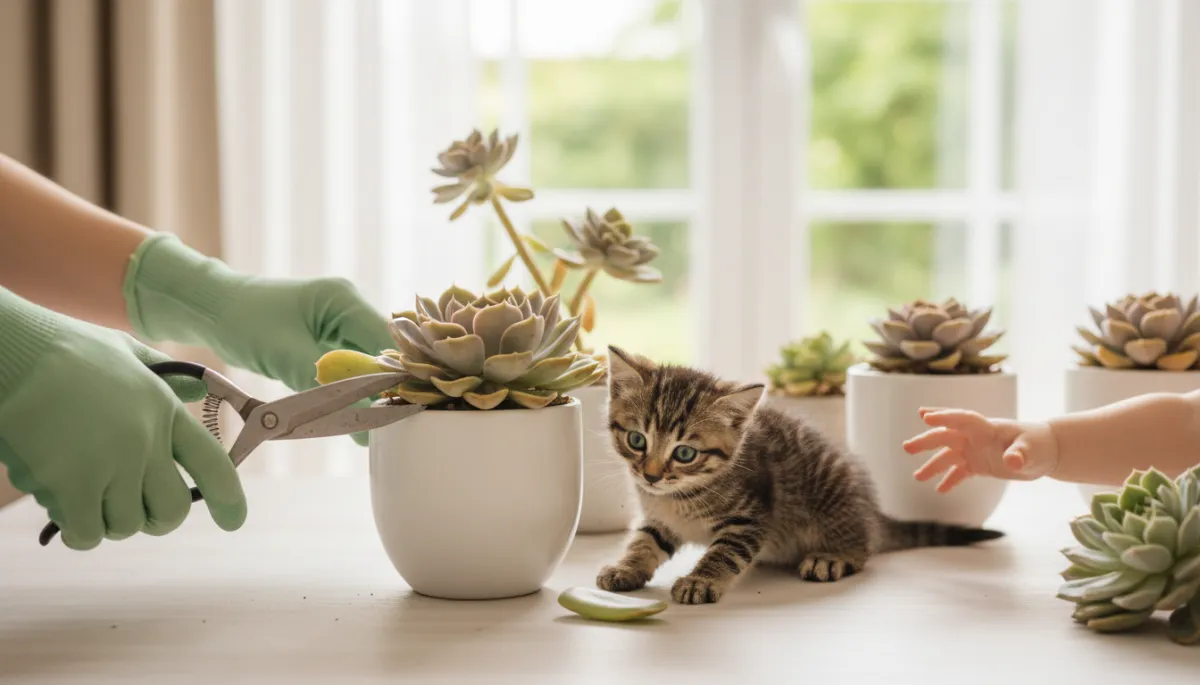
Are Succulents Poisonous? A Simple Guide for Homes with Pets and Kids
Succulents, Pet Safety, Child Safety, Plant Care
Are Succulents Poisonous? A Simple Safety Guide for Homes with Pets and Kids
Love the idea of filling your home with cute, low‑maintenance succulents, but worried about curious pets or little kids? You are definitely not alone. Succulents are everywhere right now, and many people wonder whether these stylish plants are actually safe to keep around the whole family. This friendly guide walks you through which succulents can be poisonous, how to protect pets and children, and how to enjoy a thriving, safe succulent collection at home.
Are All Succulents Poisonous?
The reassuring news is no, not all succulents are poisonous. Many popular varieties are considered non‑toxic to cats, dogs, and humans when grown as normal houseplants. Rosette succulents like Echeveria, tough little Haworthia, and outdoor favorites like Sempervivum (hens and chicks) are often listed as pet‑safe options, as long as they are not treated like snacks.
That said, “non‑toxic” does not mean “edible.” Even safe succulents can cause mild stomach upset if a pet or child eats a large amount of leaves or soil. Think of them like decorative items: lovely to look at, but not meant to be chewed, swallowed, or used as toys.
Why Can Some Succulents Be Poisonous or Irritating?
In nature, succulents survive in harsh environments. To protect themselves from being eaten, many developed natural chemical defenses. These can show up as:
Bitter‑tasting sap that discourages animals from nibbling again
Compounds that irritate the mouth, skin, or stomach when eaten or touched
Latex‑like sap that can sting sensitive skin or eyes
For the plant, these defenses are brilliant. For your home, they can mean extra succulent safety steps, especially if you share your space with pets or young children who love to explore the world by touching and tasting everything in sight.
Which Common Succulents Are Considered Toxic?
Some of the most popular succulents can cause problems if chewed or swallowed. Here are a few to treat with caution around pets and children:
Succulent Risk Level Common Concerns Aloe vera (whole leaf) Toxic to pets Vomiting, diarrhea, lethargy in cats and dogs Kalanchoe species Toxic to pets Vomiting, heart rhythm changes, drooling Jade plant (Crassula) Toxic to pets Vomiting, wobbliness, behavior changes Pencil cactus, other Euphorbia Irritating sap Skin, eye, and mouth irritation from milky latex Mother of Thousands / Millions Toxic to pets Digestive upset, more serious issues in large amounts
💡 Succulent safety tip: If you are not sure what plant you have, take a clear photo and use a plant ID app, or ask your local nursery to help you label each succulent correctly.
Which Succulents Are Usually Considered Pet‑Safe?
Many succulents are widely considered safer choices for homes with pets and kids. They are still not snacks, but they are less likely to cause serious problems if a small piece is accidentally chewed. Popular “safer” options include:
Echeveria – Colorful rosette succulents in blues, pinks, and greens
Haworthia – Small, spiky, zebra‑striped plants that handle lower light
Sempervivum – “Hens and chicks” often grown outdoors in rock gardens
Christmas cactus – Flowering succulent often considered pet‑friendly
Gasteria – Chunky, tongue‑shaped leaves, a gentler alternative to aloe
Again, even with these, it is smart to discourage chewing. Safer does not mean risk‑free, especially for pets with sensitive stomachs or children who might swallow soil, pebbles, or decorative gravel along with the leaves.
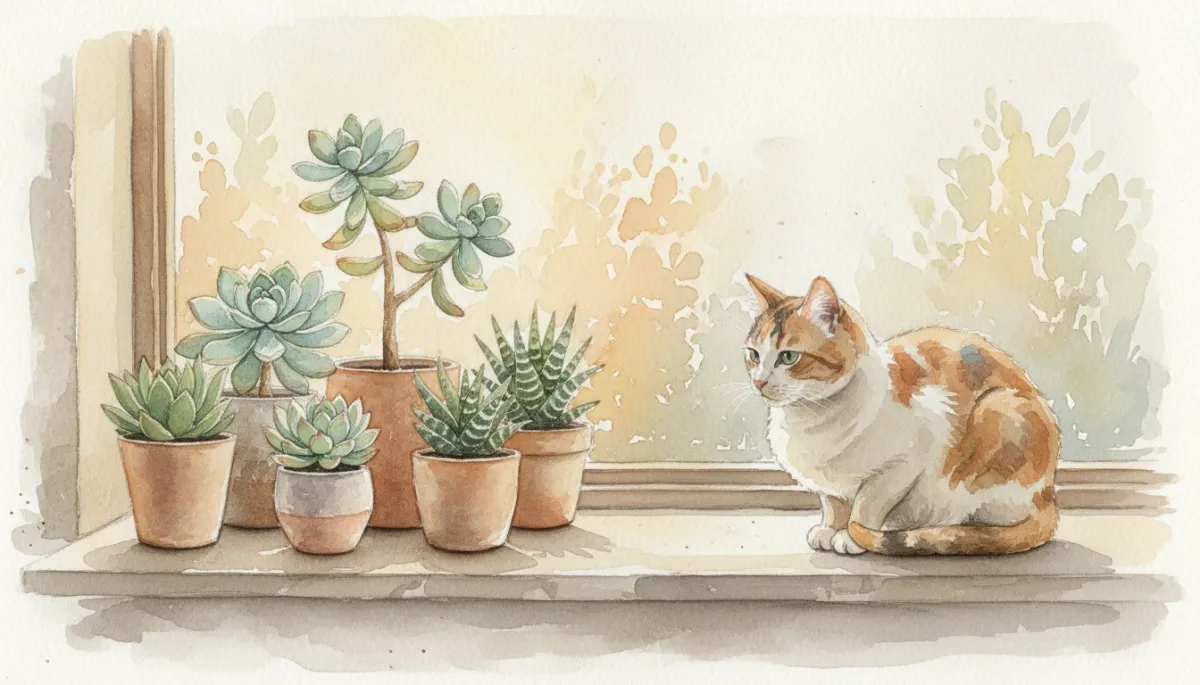
Choosing pet-safe succulents lets you decorate freely without constant worry.
Are Echeverias Poisonous to Pets or Children?
Echeverias are a favorite for a reason. These rose‑shaped succulents come in dreamy colors and are usually considered non‑toxic to cats, dogs, and humans. For families focused on succulent safety, they are often a top pick for windowsills, desks, and coffee tables.
Of course, a toddler who eats a handful of potting mix or a cat that devours several leaves may still end up with mild stomach upset. Try to keep plants just out of easy reach, and teach kids early that succulents are for looking, not tasting.
Is Aloe Vera Poisonous in a Family Home?
Aloe vera is famous for its soothing gel, and many people keep a pot in the kitchen or bathroom. The catch is that aloe leaves contain compounds that are toxic to cats and dogs when eaten. The gel in commercial products is processed and measured, but your plant at home is not a snack for pets or kids.
If you love aloe, keep it in a spot where pets cannot easily chew it, such as a high shelf or a hanging planter. For child safety, supervise closely if your child can reach the plant, and avoid using raw leaf gel directly on broken skin without guidance from a healthcare professional.
Is Kalanchoe Safe Around Pets and Kids?
Kalanchoe plants are beloved for their bright clusters of flowers, but they come with a warning label. Many kalanchoe species are toxic to pets, and can affect the heart if large amounts are eaten. While serious poisoning is rare in typical homes, this is not a plant to leave where a plant‑chewing dog or cat can graze freely.
For child safety, kalanchoe is less likely to cause severe issues in small nibbles, but it can still upset the stomach. If you want to enjoy its flowers, keep it well out of reach, and consider swapping it for a safer succulent if your pet already has a history of chewing plants.
Is Jade Plant Poisonous to Cats, Dogs, or Children?
Jade plants are classic houseplants with thick, glossy leaves and a reputation for being lucky. Unfortunately, they are not lucky for pets that chew them. In cats and dogs, jade can cause vomiting, tiredness, and changes in appetite or behavior. Because of this, jade is usually not recommended for homes with pets that love to munch on greenery.
For children, jade is less of a severe poison risk, but it is still not safe to eat. The leaves can be tempting because they look like small, shiny candies. Keep jade plants high up, or choose a different succulent if you want one that feels more worry‑free around little hands.
Are Cactus Plants Poisonous, or Just Spiky?
Most true cacti are not highly poisonous, but they can still be risky in family homes because of their spines. A curious child, a playful cat, or a clumsy dog can easily get spines stuck in paws, fingers, or even faces. Removing them can be stressful for everyone involved.
If you adore cacti, choose varieties with softer spines or keep them in rooms that pets and very young children do not access. The main concern here is injury, not poisoning, but it still matters for overall succulent safety in your home.
Are Succulents Poisonous to Cats Specifically?
Cats can be extra tricky because they jump, climb, and explore high shelves and windowsills. Some succulents, like aloe, jade, kalanchoe, and many Euphorbia species, are known to be toxic to cats. Symptoms can include:
Vomiting or diarrhea
Drooling or foaming at the mouth
Lethargy, wobbliness, or hiding more than usual
If your cat is a plant chewer, focus on pet‑safe succulents like echeveria, haworthia, and gasteria, and consider giving them cat grass or catnip as a more appealing, safe alternative to nibble on.
Are Succulents Poisonous to Dogs?
Dogs are often less agile than cats, but they can still reach plants on low tables, floors, or patio steps. Some dogs chew plants out of boredom, teething, or simple curiosity. Toxic succulents for dogs include aloe, jade, kalanchoe, and Mother of Thousands, among others. Larger dogs may need to eat more of a plant to get sick, but it is still best to avoid giving them the chance.
For dog‑friendly plant care, place succulents on elevated stands, shelves, or window ledges, and provide plenty of safe chew toys so your dog is less tempted to test your plants with their teeth.
Are Succulents Dangerous for Children?
Most succulents are not extremely dangerous to children if a small piece is tasted or chewed once. However, some can still cause stomach upset, mouth irritation, or mild skin reactions. The bigger risk with toddlers and young kids is that they may put anything in their mouths: leaves, soil, pebbles, decorative rocks, or even plant labels.
For child safety, keep succulents out of reach of crawling babies and curious toddlers, especially those in heavy pots that could tip over. As children grow, involve them in gentle plant care so they learn that succulents are living things to be cared for, not toys to be pulled apart.
What Symptoms Should You Watch For After Eating a Succulent?
If a pet or child manages to eat part of a succulent, do not panic, but do keep a close eye on them. Symptoms can appear quickly or take several hours. Common signs include:
Vomiting or diarrhea – possible digestive irritation or mild poisoning
Drooling, pawing at the mouth, or foaming – mouth irritation or bad taste
Lethargy, weakness, or wobbliness – a sign to call a vet or doctor promptly
Swelling, redness, or rash – possible skin or eye irritation from sap
📌 Key takeaway: Always tell your vet or doctor exactly what plant was involved, and roughly how much was eaten. A quick photo of the plant can be very helpful.
What Should You Do If a Pet Eats a Succulent?
Move the plant out of reach. Prevent more chewing right away.
Identify the plant. Check the label, your purchase receipt, or a plant ID app.
Estimate how much was eaten. A single nibble is different from half the pot missing.
Watch for symptoms. Note any vomiting, drooling, diarrhea, or behavior changes.
Call your vet or a pet poison hotline. Share the plant name, amount eaten, and any symptoms.
Never try home remedies like forcing your pet to vomit unless your vet specifically instructs you to do so. Professional guidance is the safest choice for your animal’s health.
How Can You Make Succulents Safer at Home?
Safety Tip Why It Helps Choose non‑toxic succulents first Reduces risk if a curious pet or child takes a small bite Place plants up high or behind barriers Keeps plants out of easy paw and hand reach Avoid loose gravel or tiny pebbles Prevents choking hazards for toddlers and small pets Supervise plant time with young children Teaches gentle plant care and reinforces “look, don’t eat” Offer safe alternatives to chew Gives pets and toddlers something else to explore with their mouths
What Are the Best Succulents for Pet‑Friendly Homes?
If you want a collection that feels both beautiful and low‑stress, start with succulents that are generally considered non‑toxic, and pair them with thoughtful placement. Here are some great options to explore:
Echeveria: Colorful and Family‑Friendly?
Echeverias offer endless variety in color and shape, and they are usually considered a safer choice for homes with pets and children. Give them bright light, well‑draining soil, and occasional deep watering, and they will reward you with tidy rosettes that look like living flowers.
Haworthia: Tough Little Indoor Companions?
Haworthia plants are small, slow‑growing, and excellent for desks or shelves. They tolerate lower light than many succulents, which makes them perfect for offices or apartments. Their pet‑friendly reputation and forgiving nature make them a wonderful starter plant for busy families.
Sempervivum: Outdoor Hens and Chicks?
Sempervivum, commonly called hens and chicks, form clusters of small rosettes and are usually considered safe in gardens. They thrive in outdoor containers, rock gardens, and sunny spots, making them a lovely option if you want to enjoy succulents outside where pets have space to roam.
Christmas Cactus: A Festive, Pet‑Friendly Favorite?
Christmas cactus does not look like a typical desert cactus, but it is a succulent‑type plant that is often considered non‑toxic to pets. With proper care, it rewards you with bright, hanging flowers around the holidays. Keep it slightly moist, provide bright, indirect light, and enjoy the color without the worry of sharp spines.
Gasteria: A Gentle Aloe Look‑Alike?
If you love the look of aloe but feel uneasy about its toxicity to pets, gasteria can be a great alternative. Its thick, tongue‑shaped leaves give a similar vibe, and it is generally considered safer. Provide bright, indirect light and let the soil dry between waterings for a happy, low‑maintenance housemate.
Which Succulents Should You Avoid If Your Pet Chews Plants?
If you already know your pet loves to chew on leaves, it may be easier to simply skip the riskiest succulents. Consider avoiding:
Aloe vera (whole plant)
Kalanchoe species
Jade plants (Crassula)
Pencil cactus and other milky‑sap Euphorbia
Mother of Thousands and Mother of Millions
With so many safer succulents available, you can still create a stunning display without constantly worrying about what will happen if your dog or cat sneaks a bite when you are not looking.
Final Thoughts: Can You Enjoy Succulents and Keep Everyone Safe?
So, are succulents poisonous? Some are, many are not, and most can be enjoyed safely with a bit of planning. The key is to know exactly which plants you own, choose pet‑safer varieties when possible, and place them thoughtfully so they are out of easy reach of curious mouths and paws.
When you combine smart plant choices with simple safety habits, succulents become what they were meant to be: low‑stress, low‑maintenance plants that bring beauty, calm, and a bit of green joy to your home. With a little care for both your plants and your loved ones, you really can have it all—thriving succulents, safe pets, and happy kids under one roof.