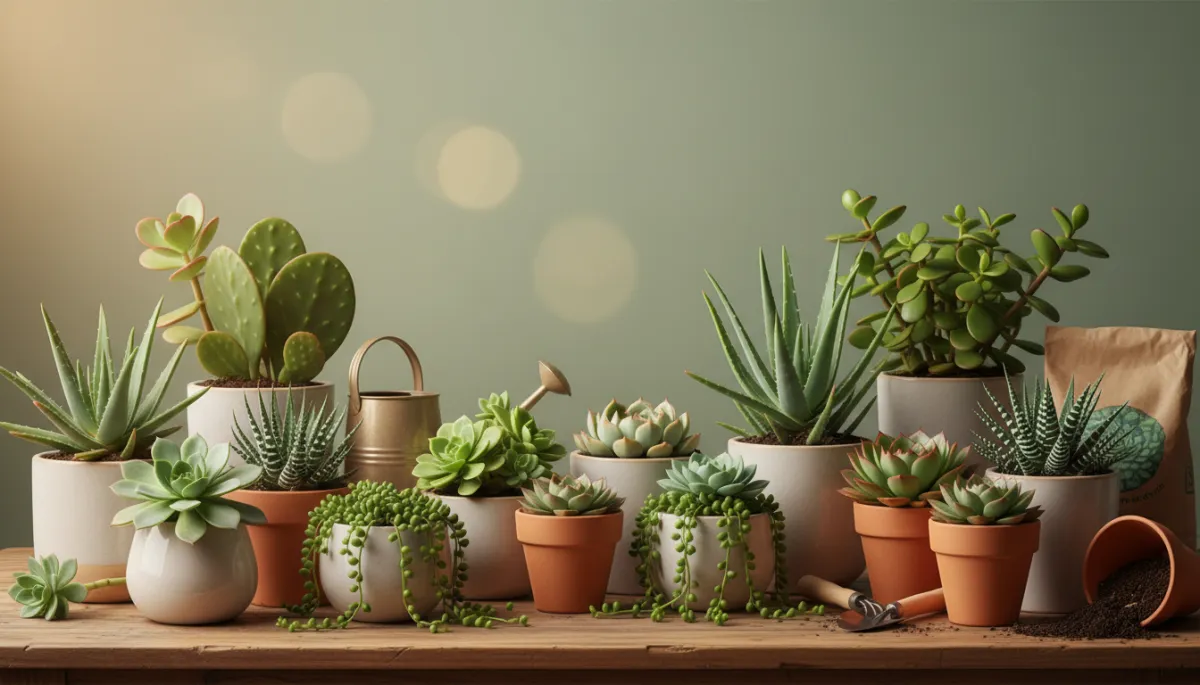
20 Popular Succulents: The Ultimate Beginner-Friendly Guide to the Most Beautiful Succulents You Can Grow
Succulents, Beginner Gardening, Plant Care
20 Popular Succulents: A Beginner-Friendly Guide to Beautiful, Low-Maintenance Plants
If you’ve ever walked into a plant shop, scrolled plant TikTok, or wandered the garden center “just to look,” you’ve probably noticed one thing—succulents are everywhere. They’re compact, stylish, surprisingly tough, and perfect for anyone who wants more greenery with less stress. This guide walks you through 20 popular succulents, how to care for them, and how to use their unique shapes and colors to make your home or garden look amazing, even if you’re brand new to plants.
1. Echeveria – The Classic Rosette Beauty
Echeveria is the succulent most people picture first—a perfect rosette that looks like a flower that never fades. It comes in soft blues, greens, pinks, and purples, and looks gorgeous in small pots, mixed arrangements, or as a focal point on a sunny windowsill. For beginners, it’s a great introduction to how light and water affect color and shape, making it both a learning tool and a showpiece for plant aesthetics.
Care Tips
Give your Echeveria bright, indirect light—morning sun or a bright window is ideal. Water only when the soil is completely dry, then soak thoroughly and let it drain. Use a gritty, fast-draining succulent mix, and avoid getting water in the center rosette to prevent rot. Think “desert rainstorm,” not “daily misting.”
Why People Love It
Echeverias instantly elevate any space. Their tidy, flower-like form makes them perfect for coffee tables, shelves, and gift arrangements—no bouquet required. They’re also easy to propagate from leaves, which is a fun project for beginner gardeners ready to grow their collection.
2. Jade Plant (Crassula ovata) – The “Money Plant” Classic
Jade Plants are often called “money plants” and are associated with good luck and prosperity. With their glossy, jade-green leaves and woody stems, they look like miniature trees and can live for decades. As you learn succulent care, Jade becomes a steady, forgiving roommate that grows right along with you.
Care Tips
Place your Jade Plant in bright light—near a sunny window is perfect. Let the soil dry out between waterings, and always use a pot with drainage holes. They prefer a sturdy pot, like terracotta, which helps wick away extra moisture and supports their eventually top-heavy growth.
Why People Love It
Jade Plants are sentimental plants—often passed down between family members. They’re tough, beginner-friendly, and can be gently pruned into charming shapes, making them ideal for anyone who wants a plant that feels like part of the household, not just décor.
3. Aloe Vera – The Practical Healer
Aloe Vera is both beautiful and useful. Its tall, pointed leaves give it a sculptural look, and the gel inside is famous for soothing minor burns and skin irritation. It’s a great starter plant for anyone who wants their greenery to earn its keep while still looking stylish on a kitchen counter or bathroom shelf.
Care Tips
Aloe loves bright light—think sunny windowsill or a bright patio. Use a cactus or succulent mix, and make sure the pot drains well. Water deeply but infrequently, letting the soil dry out completely between waterings. Overwatering is the fastest way to make an Aloe unhappy.
Why People Love It
Aloe Vera combines beauty with function. It looks clean and modern, pairs well with minimalist décor, and gives you a handy, natural remedy right at home—perfect for sunny-day mishaps or dry winter skin.
4. String of Pearls – Cascading Drama for Shelves
String of Pearls looks exactly like it sounds—long, trailing vines covered in tiny, bead-like leaves. It’s a favorite for hanging planters and high shelves, where the strands can spill gracefully over the edges and add movement to a room’s design.
Care Tips
Give String of Pearls bright, indirect light—too much harsh sun can scorch the beads, but too little light leads to sparse, stretched growth. Use very well-draining soil, and water sparingly. The round leaves store water, so it prefers to dry out between drinks. A hanging pot with drainage is a must.
Why People Love It
This plant creates a soft “green waterfall” effect that instantly makes a room feel more styled and intentional. For beginners thinking about plant aesthetics, it’s an easy way to add height, texture, and a little drama without needing a jungle of plants.
5. Burro’s Tail – Plump, Trailing Texture
Burro’s Tail is known for its thick, trailing stems packed tightly with plump, overlapping leaves. It looks like a braided, pastel-green rope, making it a standout in hanging baskets or on high shelves. It’s a bit fragile to the touch, but surprisingly easy to care for once you find it a good spot and leave it be.
Care Tips
Provide bright light and avoid frequent handling—the leaves fall off easily. Use gritty soil and a pot with drainage, and water when the soil is fully dry. It appreciates steady conditions, so once it’s happy, resist the urge to move it around too often.
Why People Love It
Burro’s Tail adds incredible texture to your plant collection. Its trailing growth softens shelves and corners, and its chubby leaves make it a favorite for people who love plants with personality and a slightly whimsical look.
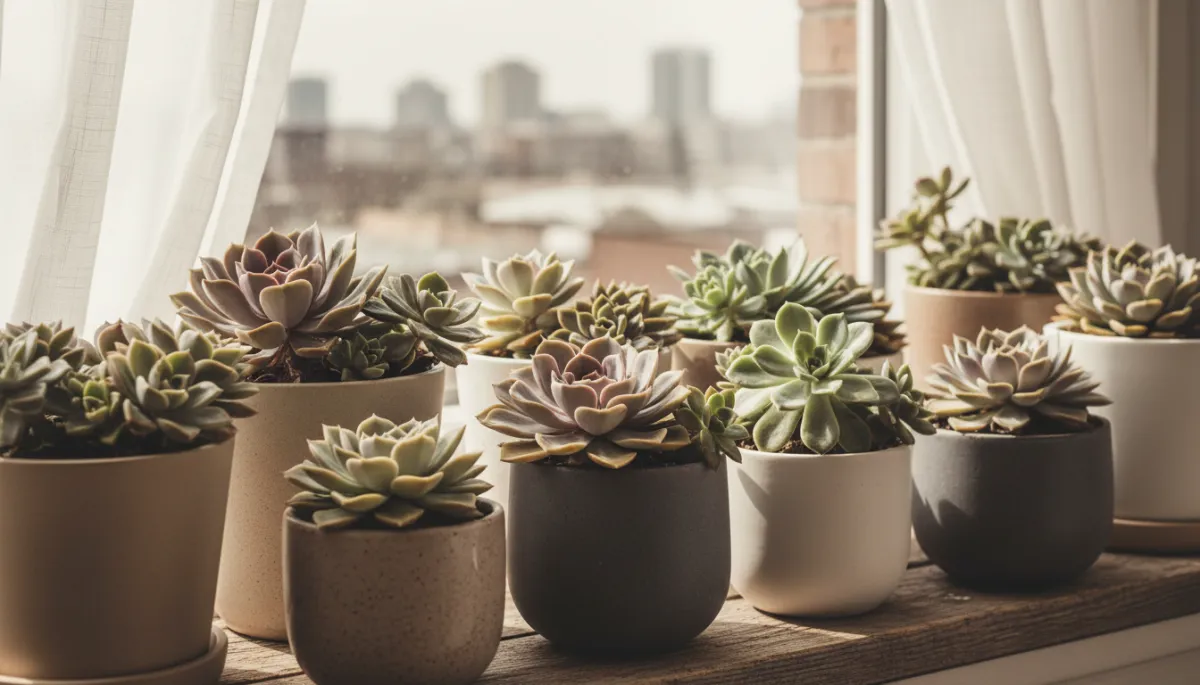
Mixing shapes, colors, and heights creates a simple, beginner-friendly succulent display.
6. Zebra Haworthia – Low-Light Friendly Stripes
Zebra Haworthia is a compact, spiky succulent with dark green leaves striped in white. It looks like a tiny, patterned sculpture and is one of the best options for desks, shelves, and apartments where light isn’t quite as intense as a sunny windowsill.
Care Tips
It thrives in bright, indirect light but can tolerate lower light better than many succulents. Water lightly and only when the soil feels dry. A small pot with drainage and well-draining soil will keep it compact and healthy for years.
Why People Love It
Its bold stripes and tidy size make it perfect for modern, minimalist spaces. Beginners love that it’s forgiving and doesn’t demand a sun-drenched window to look good.
7. Panda Plant – Soft and Fuzzy Charm
Panda Plant is instantly recognizable thanks to its velvety, gray-green leaves tipped in chocolate-brown. It looks almost like a tiny, plush toy, which makes it especially appealing if you’re drawn to plants with a cozy, tactile vibe—though it’s still best admired more than handled.
Care Tips
Give it bright light and good airflow. Water sparingly, allowing the soil to dry out completely. Because the leaves are fuzzy, avoid misting—trapped moisture can cause spots or rot. A simple, neutral pot lets its unique texture stand out.
Why People Love It
Panda Plants feel special and a little bit whimsical. Their soft look plays beautifully with cozy, bohemian, or Scandinavian interiors, adding gentle contrast to clean lines and pale wood.
8. Lithops (Living Stones) – Tiny Natural Sculptures
Lithops are so unusual that many people don’t realize they’re plants at first. These “living stones” evolved to blend in with pebbles in their native habitat. For beginners who enjoy quirky, conversation-starting plants, Lithops are a fun challenge and a great way to explore more advanced succulent care over time.
Care Tips
They need very bright light and excellent drainage. Lithops store a lot of water in their bodies, so they require extremely infrequent watering—often just a few times a year, depending on your climate. When in doubt, don’t water. Overwatering is the most common mistake with these little gems.
Why People Love It
Their strange, stone-like appearance fascinates plant lovers. They’re perfect for small, curated arrangements and minimalist décor where every object feels intentional and sculptural.
9. Hens and Chicks (Sempervivum) – Easy Outdoor Clusters
Hens and Chicks form low-growing rosettes that multiply into charming clusters. The main rosette is the “hen,” and the smaller ones are the “chicks.” They’re fantastic for rock gardens, outdoor pots, and anyone who wants a plant that fills in space without fuss.
Care Tips
These succulents love full sun and well-draining soil, especially outdoors. Water lightly and let rain do most of the work in many climates. They’re cold-tolerant, making them a great option for beginner gardeners who want something hardy in outdoor beds or containers.
Why People Love It
They multiply quickly, creating full, textured mats of color. They’re ideal if you’re aiming for a “less lawn, more interesting plants” look in your outdoor spaces.
10. Ghost Plant – Soft, Shifting Color
Ghost Plant has delicate, rosette-shaped leaves in pale gray, lavender, or blush tones that deepen with more sun. It brings a dreamy, muted palette to arrangements and looks beautiful spilling slightly over the edge of a pot or wall planter.
Care Tips
Provide bright light, including some direct sun if possible, to bring out its best colors. Let the soil dry out fully between waterings. Like many succulents, it prefers a gritty mix and a pot that doesn’t hold extra moisture.
Why People Love It
The subtle color shifts make Ghost Plant a favorite for soft, neutral décor. It pairs beautifully with white pots, pale woods, and linen textures, adding a gentle, artistic touch to any room.
11. String of Bananas – Playful Trailing Greenery
String of Bananas is a close cousin to String of Pearls, but with tiny, banana-shaped leaves. It grows quickly and is often a bit easier for beginners, while still delivering that lush, trailing look that’s perfect for hanging planters and high shelves.
Care Tips
Give it bright, indirect light and allow the soil to dry between waterings. Use light, airy soil and a pot with drainage. If the vines start to look sparse or stretched, it’s asking for more light.
Why People Love It
Its playful, looping vines bring movement and a relaxed feel to any space. It’s great for beginners who want something that grows fast enough to notice and enjoy.
12. Flaming Katy – Bright Blooms on a Compact Plant
Flaming Katy is a flowering succulent that produces clusters of bright blooms in red, orange, pink, or yellow. It’s often sold around holidays, but with the right care, it can rebloom and continue brightening up your home long after the season ends.
Care Tips
Place it in bright light—sunny windows are ideal. Water when the top of the soil is dry, and ensure good drainage. After blooming, trim spent flowers to encourage fresh growth. It appreciates a slightly more regular watering schedule than some other succulents, but still hates soggy soil.
Why People Love It
Flaming Katy brings serious color to windowsills and side tables. It’s perfect if you love flowers but don’t want the constant maintenance of traditional houseplants.
13. Black Prince – Dark, Dramatic Contrast
Black Prince is a striking succulent with deep burgundy to nearly black leaves arranged in a rosette. It brings moody, dramatic color to arrangements and looks especially sharp in light-colored or concrete-style pots.
Care Tips
It prefers bright light, including some direct sun, to maintain its dark color. Let the soil dry out fully between waterings, and use a well-draining mix. Too little light can cause the plant to stretch and lose its rich tones.
Why People Love It
Black Prince is a favorite for modern interiors and monochrome palettes. It adds depth and contrast to otherwise soft, neutral plant collections, making your arrangements look thoughtfully designed.
14. Blue Chalk Sticks – Cool-Toned Structure for Outdoors
Blue Chalk Sticks feature slender, blue-gray leaves that stand upright like tiny sticks of chalk. They’re especially striking in outdoor beds, borders, and large containers, where their cool color and linear shape add structure and contrast to softer plants.
Care Tips
They love full sun and very sharp drainage. Plant them in raised beds, rocky areas, or containers with gritty soil. Water sparingly once established—these are truly drought-tolerant plants that prefer to stay on the dry side.
Why People Love It
Blue Chalk Sticks provide a unique, architectural look that works beautifully in modern landscapes. They’re perfect if you’re rethinking your yard and want less lawn and more low-maintenance, stylish planting.
15. Elephant Bush – Miniature Tree Vibes
Elephant Bush looks like a tiny tree, with small, round leaves on reddish, woody stems. It can be grown upright, pruned, or even trained as a bonsai-style plant, making it a fun option if you enjoy shaping and styling your greenery.
Care Tips
Provide bright light and water lightly when the soil is dry. It’s more tolerant of occasional extra water than some succulents, but still prefers well-draining soil and a pot that doesn’t trap moisture. Regular, gentle pruning helps keep its shape neat and compact.
Why People Love It
Elephant Bush gives you that “tiny tree” look without the difficulty of traditional bonsai. It’s a great bridge between houseplants and outdoor shrubs for beginner gardeners who like to prune and play with form.
16. Ruby Necklace – Jewel-Toned Trails of Color
Ruby Necklace is a trailing succulent with slender, bean-like leaves and purple-red stems that deepen in color with more sun. It brings rich, jewel-toned color to hanging baskets and shelf displays, especially when paired with pale or neutral pots.
Care Tips
Give it bright light, including some direct sun, to bring out that ruby coloration. Water when the soil is dry, and use a light, fast-draining mix. Like other trailing succulents, it prefers a hanging or raised pot with good airflow around the foliage.
Why People Love It
The bold colors and graceful trails make Ruby Necklace a standout in any collection. It’s perfect for plant lovers who want more than just green and enjoy designing eye-catching displays.
17. Crown of Thorns – Long-Lasting Flowers and Texture
Crown of Thorns is a shrubby succulent with thorny stems and bright, long-lasting flowers. It can bloom for much of the year in the right conditions, bringing structure and color together in one plant. Just be mindful of the thorns if you have pets or small children.
Care Tips
It loves full sun and appreciates regular, moderate watering—with time to dry out between. Use a well-draining mix, and choose a sturdy pot to support its woody stems. Wear gloves when pruning to avoid the thorns and sap.
Why People Love It
Crown of Thorns offers months of color with relatively low effort. It’s a great choice if you want a plant that looks like a small shrub and doubles as a focal point in a sunny room or patio.
18. Snake Plant – Nearly Indestructible Style Icon
Many people are surprised to learn that Snake Plants are technically succulents. With their upright, sword-like leaves and bold variegation, they’re one of the most popular houseplants—and among the toughest. If you’re nervous about plant care, this is your best friend.
Care Tips
Snake Plants tolerate low light but also do well in bright, indirect light. Water infrequently—every few weeks is often enough—and let the soil dry completely before watering again. Use a well-draining mix and a pot with drainage holes to prevent root rot.
Why People Love It
Snake Plants are famously hard to kill and instantly make a room look more polished. Their strong vertical lines work beautifully in modern, minimalist, and small-space interiors alike.
19. String of Hearts – Romantic, Trailing Hearts
String of Hearts produces delicate, heart-shaped leaves along thin, trailing vines. The leaves are often mottled in soft greens and silvers, sometimes with a hint of purple underneath. It’s a favorite for anyone who loves a romantic, cottage-inspired aesthetic in a compact, easy-care plant.
Care Tips
Give it bright, indirect light and allow the soil to dry between waterings. It prefers a light, airy mix and a pot with drainage. If the vines become very long, you can loop them back into the soil to encourage fuller growth.
Why People Love It
The heart-shaped leaves and trailing habit make this one of the most charming houseplants around. It looks lovely in hanging pots, on bookshelves, or cascading from a high bedside table.
20. Agave – Bold, Architectural Statement Plant
Agave plants are bold, sculptural succulents with thick, often spiky leaves arranged in dramatic rosettes. Some varieties stay small enough for pots, while others grow into large landscape centerpieces. They’re ideal for outdoor gardens with a dry, sunny climate or for container gardening on patios and balconies.
Care Tips
Agaves love full sun and need excellent drainage. Plant them in gritty soil and water sparingly once established. In containers, choose heavy pots so they don’t tip over as the plant grows. Be mindful of sharp leaf tips when placing them near walkways.
Why People Love It
Agaves bring a strong, sculptural presence to gardens and patios. They’re perfect for low-maintenance, high-impact landscapes that lean more “desert chic” than traditional lawn.
How to Care for Most Succulents – Simple Rules That Actually Work
While each succulent has its quirks, most of them follow the same basic rules. Once you understand these, beginner gardening becomes a lot less intimidating—and a lot more fun. Here’s what almost all succulents agree on.
Give Them Plenty of Light
Most succulents prefer four to six hours of bright light daily. Indoors, that usually means a sunny windowsill or a very bright room. If your plant starts stretching, leaning, or losing its rich color, it’s probably asking for more light. Rotate pots occasionally so they grow evenly and keep their compact, attractive shape.
Avoid Overwatering
Overwatering is the number one way beginners accidentally lose succulents. A simple rule of thumb: when in doubt, don’t water. Wait until the soil is completely dry, then water thoroughly and let excess water drain away. Succulents are built to handle drought—they’re not built to sit in soggy soil.
Use Proper Soil and the Right Pots
Regular potting soil holds too much moisture. Instead, choose a succulent or cactus mix, or amend your soil with perlite, pumice, or coarse sand for better drainage. Always choose pots with drainage holes—terracotta is especially beginner-friendly because it helps extra moisture evaporate and looks great with most plant aesthetics.
Common Beginner Mistakes to Avoid
If you’ve already lost a succulent or two, you’re not alone. Learning plant care is a process, and every gardener has a few “learning plants” along the way. Here are some easy-to-avoid pitfalls.
Watering too frequently—succulents prefer to dry out completely between waterings.
Using decorative pots without drainage—pretty, but risky unless you treat them as outer covers.
Providing insufficient light—leads to tall, weak, stretched-out plants instead of compact cuties.
Constantly moving plants—succulents need time to adjust to a spot before they really thrive.
Overcrowding—pretty at first, but poor airflow can lead to rot and pests over time.
Why Succulents Fit So Well in Modern Homes
Succulents are more than just trendy—they genuinely suit the way many of us live now. They’re compact, forgiving, and naturally stylish, which makes them perfect for apartments, home offices, and busy schedules. Here’s how they play with different décor styles.
Minimalist homes – clean shapes and simple silhouettes keep spaces calm, not cluttered.
Scandinavian interiors – soft colors and natural textures pair beautifully with pale woods and neutral textiles.
Bohemian spaces – trailing varieties and mixed arrangements look right at home with baskets, textiles, and layered décor.
Modern apartments – bold, sculptural plants like Snake Plant or Agave act as living art pieces in small spaces.
Home offices – low-maintenance greenery boosts mood and focus without adding to your to-do list.
Frequently Asked Questions About Succulent Care
Are succulents good for beginners? Absolutely. Most succulents are very forgiving as long as you don’t overwater them and give them enough light. They’re a gentle, confidence-building way to start your gardening journey.
How often should I water my succulents? There’s no single schedule that works for every home, but many indoor succulents do well with watering every two to three weeks. Always check the soil first—if it still feels even slightly damp, wait a bit longer.
Can succulents survive indoors year-round? Yes, many can, as long as they have bright light and proper drainage. South- or west-facing windows are ideal. In darker homes, a small grow light can make a huge difference in keeping them compact and colorful.
Final Thoughts – Start Small, Grow Confidently
Succulents have earned their place as beginner favorites for good reason. They’re beautiful, adaptable, and surprisingly low-maintenance once you understand a few basics about light, water, and soil. Whether you’re drawn to soft rosettes, trailing vines, or bold architectural shapes, there’s a succulent that fits your style—and your schedule. Start with one or two that you love, pay attention to how they respond, and let your confidence grow right alongside your plants.