Burro’s Tail (Sedum Morganianum) Care Guide: Everything You Need to Know to Grow a Long, Healthy Trailing Succulent
Plant Care, Succulents, Gardening Tips
Burro’s Tail Care Guide: Grow a Long, Lush, Trailing Succulent at Home
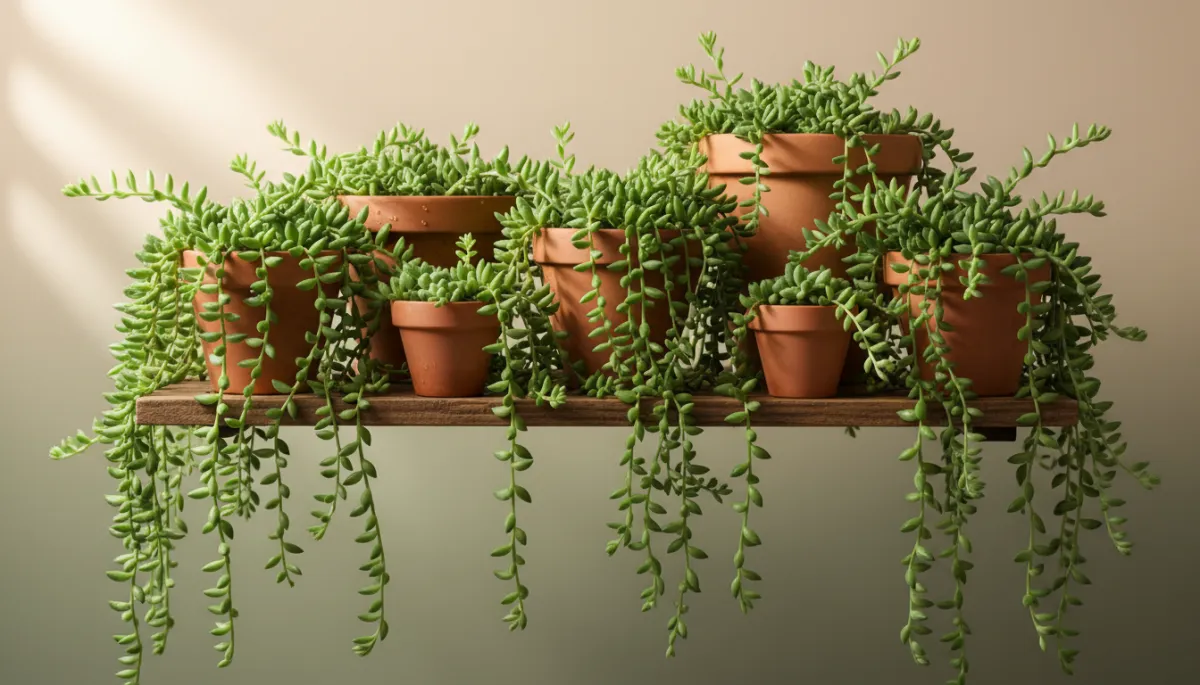
If you’ve ever seen a pot overflowing with long, beaded stems that look like a soft green braid, you’ve probably met Burro’s Tail. This trailing succulent is eye-catching, surprisingly forgiving, and perfect for beginners who want a plant that feels special without being fussy. With the right light, soil, and watering routine, Burro’s Tail can grow into a dramatic, cascading showpiece that makes your space feel instantly greener and calmer.
Burro’s Tail Care at a Glance
Care CategoryRecommendation Botanical Name Sedum morganianum Common Names Burro’s Tail, Donkey’s Tail, Lamb’s Tail Plant Type Trailing succulent Mature Length 2 to 4 feet long (sometimes more with age) Growth Rate Slow to moderate, depending on light and care Sunlight Bright, indirect light; gentle morning sun is ideal Watering Soak-and-dry method; let soil dry completely between waterings Soil Fast-draining cactus or succulent mix with added perlite or pumice Difficulty Beginner-friendly, as long as you avoid overwatering
What Is Burro’s Tail (Sedum morganianum)?
Burro’s Tail is a trailing succulent native to southern Mexico and Honduras. Instead of growing upright like many houseplants, it sends out long, rope-like stems packed tightly with plump, teardrop-shaped leaves. Over time, those stems can reach 2 to 4 feet long, creating a beautiful, cascading effect over the edge of a pot or hanging basket. For anyone just starting their plant care journey, this succulent offers a fun way to experiment with trailing plants while sticking to simple, beginner-friendly routines.
Why Is It Called Burro’s Tail?
The name “Burro’s Tail” comes from its resemblance to a donkey’s tail—long, thick, and covered in overlapping segments. Each stem becomes heavier as it grows, and the tightly packed leaves give it that braided, textured look. You might also hear it called Donkey’s Tail, Lamb’s Tail, or Horse’s Tail, but all of these names refer to the same charming succulent. No matter what you call it, it’s a standout plant in any collection of succulents or mixed indoor garden displays.
Why Plant Lovers Are Obsessed With Burro’s Tail
It Creates Instant Visual Impact
Few houseplants deliver as much drama as a full Burro’s Tail. Those long, trailing stems spill over shelves and hanging pots, softening sharp corners and adding movement to your space. Even a young plant with shorter stems draws the eye because of its unique texture and soft, blue-green color. If you want a statement succulent that still feels calm and neutral, this is a great choice for your home or patio.
It’s Beginner-Friendly
Once you understand its basic needs—bright light, fast-draining soil, and infrequent watering—Burro’s Tail is actually quite forgiving. It stores water in its leaves, so it can handle a missed watering here and there. For new plant parents, this makes it a gentle introduction to succulent care. The main thing to remember is that it dislikes sitting in wet soil, so “less is more” is a golden rule for this plant.
It Works in Small Spaces
Because Burro’s Tail grows downward instead of outward, it’s a smart pick for apartments, small patios, and cozy corners. You can tuck it onto a bookshelf, hang it in a window, or place it on a high plant stand and let the stems cascade. It doesn’t need a huge pot to make a big impression, which is handy if you’re short on floor space but still want a lush indoor garden feel.
It’s Beautiful Year-Round
Many outdoor plants have a “good season” and a “resting season,” but Burro’s Tail keeps its good looks all year with the right care. The foliage stays thick and attractive through every season, making it a reliable anchor plant in your collection. Outdoors in warm climates, it may even reward you with tiny flowers—an extra treat on top of its already charming foliage.
The Secret to Growing a Full, Lush Burro’s Tail
The biggest secret to a thick, full Burro’s Tail is patience. This succulent grows slowly, especially when it’s young, and it prefers not to be moved or fussed with. Constantly rotating the pot, repotting too often, or bumping the stems can cause leaves to fall and slow down growth. Choose a bright, stable spot, give it time to settle in, and let it focus on growing those long, trailing stems. Over a few years, you’ll notice it gradually filling out and becoming more dramatic.
Sunlight Requirements for Healthy Growth
Best Indoor Locations
Indoors, Burro’s Tail thrives in bright, indirect light. A south-facing or east-facing window is usually ideal—some gentle morning sun and plenty of brightness for the rest of the day. If the sun is very strong, especially in summer, you can filter it with a sheer curtain to prevent leaf scorch. Avoid dark corners or spots far from windows; your plant will stretch and lose its compact shape if it doesn’t get enough light.
Best Outdoor Locations
Outdoors, morning sun and afternoon shade are your best friends. A bright porch, covered balcony, or spot that gets dappled light works beautifully. Harsh afternoon sun can scorch the leaves, especially in hot climates, so aim for a location that offers bright conditions without hours of intense, direct heat. If you’re moving your plant outside for the first time, do it gradually so it can adjust without burning.
Signs Your Burro’s Tail Needs More Light
Light is one of the most important parts of Burro’s Tail care, and the plant will quietly tell you when it isn’t getting enough. Watch for stems that become long and thin with bigger gaps between leaves, pale or washed-out color, or growth that leans strongly toward the nearest window. These are signs your succulent is stretching for more light. Move it closer to a bright window or add a grow light, increasing light levels slowly so it doesn’t get shocked.
Watering Guide: How Often to Water Burro’s Tail
Overwatering is the most common mistake with this succulent. The safest approach is the soak-and-dry method—water deeply, then wait until the soil is completely dry before watering again. Always check the soil with your finger or a moisture meter; if it still feels even slightly damp, give it more time. This simple habit will protect your plant’s roots and keep those plump leaves healthy and firm.
Spring and Summer Watering
During the warmer, brighter months, your Burro’s Tail will be more active and may need water every 2 to 3 weeks. This is just a guideline—your home’s temperature, light, and pot size all play a role. Always let the soil guide you rather than the calendar. When you do water, pour until water drains from the bottom of the pot, then empty any saucer so the plant isn’t sitting in standing water.
Fall and Winter Watering
In fall and winter, growth naturally slows, and your plant uses less water. You might only need to water every 3 to 4 weeks, sometimes even less in a cool room. Never water just because “it’s time”—if the soil still feels cool or damp, wait a few more days. Letting the plant rest a bit in the cooler months supports healthier growth when spring returns.
Signs of Overwatering vs. Underwatering
Signs of Overwatering
Too much water can cause mushy, translucent leaves, yellowing stems, black or brown spots, and in severe cases, root rot. If you notice these symptoms, let the soil dry out completely before watering again, and check that your pot has drainage holes. In very soggy conditions, you may need to gently remove the plant, trim away any rotten roots, and repot it into fresh, dry, well-draining soil.
Signs of Underwatering
Underwatered Burro’s Tail usually looks a bit tired rather than dramatic. The leaves may wrinkle, flatten slightly, or feel softer than usual. The plant might appear shriveled or dull. In most cases, a thorough, deep watering will perk it back up within a few days. If you’re unsure whether to water, remember that this succulent would rather be a little too dry than too wet.
Best Soil for Burro’s Tail Succulents
Good soil is the foundation of easy plant care. Burro’s Tail needs a fast-draining mix that doesn’t hold onto water for long. A commercial cactus or succulent mix works well, especially if you lighten it further with coarse sand, perlite, or pumice. The goal is to let water flow through quickly so the roots can breathe. Heavy, peat-based potting soils stay too wet and can lead to root problems, so they’re best avoided or heavily amended for succulents.
Choosing the Right Pot for Your Plant
Terracotta pots are a classic choice for Burro’s Tail because the porous clay helps extra moisture evaporate, reducing the risk of overwatering. Whatever material you choose, make sure the pot has drainage holes—this is non-negotiable for healthy succulents. A slightly snug pot is fine; you don’t need a huge container for this plant. In fact, oversized pots can hold too much damp soil around the roots, which isn’t ideal for a drought-loving succulent.
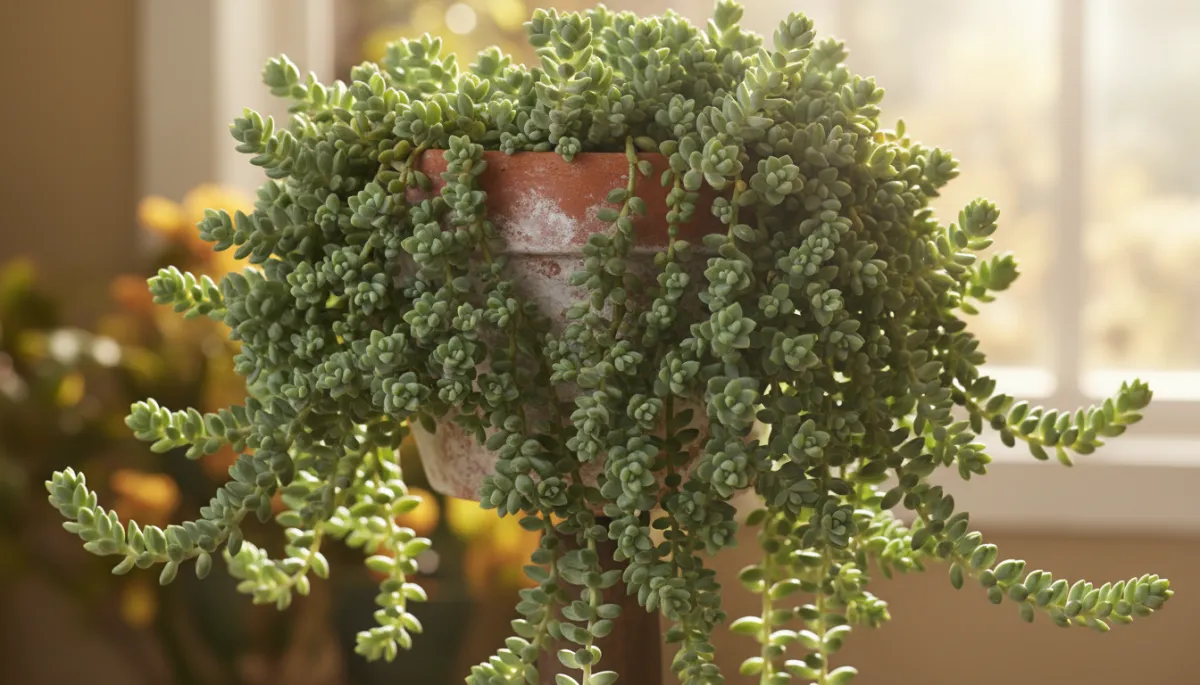
-toned scene of a burro’s tail succulent in a terracotta pot on a wooden shelf, surrounded by a...
Pairing Burro’s Tail with other succulents creates an easy-care, cohesive plant display.
Why Burro’s Tail Leaves Keep Falling Off
If you’ve ever brushed against a Burro’s Tail and watched a few leaves tumble off, you’re not alone. This plant is famously sensitive to touch. Leaf drop often happens when the pot is moved, the stems are bumped, or the plant is repotted. The good news is that a little leaf loss is normal and not a sign you’re failing at plant care. The best approach is to find a safe, stable spot for your plant and handle it as little as possible so the stems can grow undisturbed.
Should You Touch or Handle Burro’s Tail?
Think of Burro’s Tail as a “look, don’t touch too much” plant. While it’s perfectly fine to gently move the pot when needed, frequent handling, rotating, or cleaning can knock off leaves and stress the plant. When you do need to move it, support the pot rather than the stems, and go slowly. A gentle approach protects both the plant and your floors from a shower of fallen leaves.
How Fast Does Burro’s Tail Grow?
Burro’s Tail grows at a slow to moderate pace. In good light with proper care, you can expect roughly 2 to 8 inches of new growth per year. That might not sound like much, but over a few seasons, those inches add up to long, graceful stems. If your plant seems to be growing very slowly, check that it’s getting enough light and that you’re not overwatering—both of these can hold it back.
Does Burro’s Tail Flower?
Yes, mature, well-cared-for Burro’s Tail plants can produce small, star-shaped flowers in shades of pink or red. Flowering is more common when the plant is grown outdoors in a climate it enjoys, with plenty of bright light and a natural change in seasons. Indoors, blooms are less frequent, so think of them as a bonus rather than a guarantee. Even without flowers, the foliage alone makes this succulent worth growing.
How to Propagate Burro’s Tail at Home
One of the most fun gardening tips for Burro’s Tail is that it’s easy to multiply. Those fallen leaves and trimmed stems can become brand-new plants with just a bit of patience. Propagation is a great way to fill out your original pot, share plants with friends, or create a small collection of trailing succulents around your home.
Leaf Propagation
When leaves fall off, don’t toss them right away. Instead, let them dry for about a day so the broken end can callous over. Then, lay them on top of dry, well-draining soil—no need to bury them. Mist lightly every so often, keeping the soil just barely moist, not wet. Over time, tiny roots and baby rosettes can form at the base of the leaf. It’s a slow process, but watching new plants appear is incredibly rewarding for beginners and seasoned gardeners alike.
Stem Propagation
For faster results, you can propagate from stems. Use clean scissors or pruners to cut a healthy stem, then let the cut end dry and callous for a few days. Once it’s no longer moist, place the stem on or just slightly into dry succulent soil. Wait several days before watering so you don’t risk rot. As roots form, you can gradually resume a light watering routine. Stem cuttings usually root more quickly than individual leaves, giving you a fuller plant sooner.
Common Problems and Simple Solutions
Most Burro’s Tail issues come down to a few basic care tweaks. Mushy leaves usually point to overwatering—let the soil dry and check your drainage. Stretched, leggy growth signals low light, so move the plant somewhere brighter. Wrinkled leaves often mean it’s time for a deep drink. Frequent leaf drop tends to be caused by physical disturbance, so try to handle the plant less. Once you understand these patterns, troubleshooting becomes much less intimidating, even if you’re new to succulents and plant care in general.
Fun Facts About Burro’s Tail
A healthy Burro’s Tail can live for many years, slowly becoming longer and fuller over time.
Almost every fallen leaf has the potential to grow into a new plant under the right conditions.
It prefers to stay in one place—frequent rotation can cause stress and leaf drop.
Best Places to Display Your Burro’s Tail
Because it trails so beautifully, Burro’s Tail shines when it’s given a little height. Indoors, try placing it on a bookshelf, in a hanging planter, or on a floating shelf where the stems can cascade freely. In a home office, it adds a touch of calm greenery without taking up precious desk space. Grouping it with other succulents—like Echeverias, Jade Plant, String of Pearls, Zebra Haworthia, or Ghost Plant—creates a textured, low-maintenance arrangement that feels polished but still relaxed.
Seasonal Care Calendar: Simple Year-Round Tips
SeasonCare Focus Spring Resume regular watering, refresh light exposure, and optionally feed lightly with a diluted succulent fertilizer. Summer Monitor sunlight, protect from harsh afternoon heat, and water when soil is fully dry. Fall Gradually reduce watering and make sure the plant still receives bright, indirect light. Winter Water sparingly, avoid cold drafts, and provide as much light as possible.
Frequently Asked Questions
Is Burro’s Tail easy to grow for beginners? Yes. Once you understand its basic needs—bright light, well-draining soil, and careful watering—it’s a very beginner-friendly succulent.
Why are my Burro’s Tail leaves falling off? Most of the time, leaf drop is caused by physical disturbance, like bumping the stems or moving the pot. Try to handle the plant less and give it a stable home where it won’t be brushed against often.
Can Burro’s Tail grow indoors? Absolutely. As long as it gets plenty of bright, indirect light and you avoid overwatering, it can thrive indoors in windowsills, hanging baskets, or on shelves.
Final Thoughts: A Low-Fuss Trailing Succulent You’ll Love
Burro’s Tail is one of those plants that quietly teaches you an important lesson about plant care—sometimes, the less you fuss, the better it does. Give it bright light, fast-draining soil, and a patient watering routine, and it will reward you with long, cascading stems that look beautiful all year. Whether you’re just getting started with succulents or adding to an established collection, this trailing beauty is a wonderful way to bring soft, calming greenery into your home.