Echeveria Arctic Ice Care Guide: How to Grow and Keep This Frosty Blue Succulent Healthy
Succulent Care, Echeveria Arctic Ice, Plant Maintenance
Echeveria Arctic Ice Care Guide: Keep This Frosty Blue Succulent Happy and Thriving
Some succulents shout for attention with neon colors and wild shapes, while others quietly steal the show with calm, cool beauty. Echeveria Arctic Ice falls into that second group—a frosty blue rosette that looks polished and elegant without trying too hard. If you’re new to succulent care, or you’re just looking for a low‑stress plant to brighten your space, this variety is a lovely place to start.
Echeveria Arctic Ice Care at a Glance
Care Category Recommendation Botanical name Echeveria ‘Arctic Ice’ Plant type Hybrid rosette succulent Mature size Around 6–8 inches wide, low-growing Sunlight Bright, indirect light to gentle direct sun Watering Soak‑and‑dry—water deeply, then let soil dry completely Soil Fast‑draining cactus or succulent mix Temperature Prefers 60–80°F (15–27°C), protect from frost
What Is Echeveria Arctic Ice?
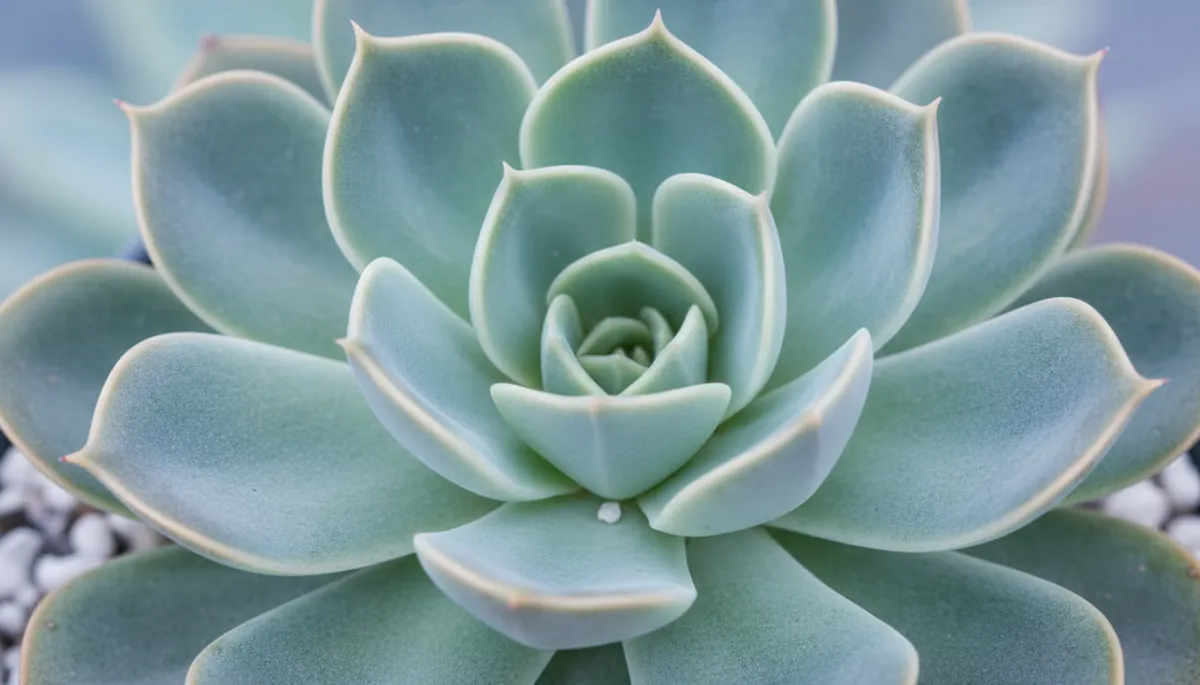
Echeveria Arctic Ice is a hybrid succulent known for its smooth, symmetrical rosette and cool, icy tones. The leaves are typically a pale blue or blue‑green, often dusted with a soft, powdery coating that gives the plant a frosted look. In the right light, you may also notice hints of silver or soft lavender near the edges—subtle details that make this plant feel extra special without being fussy.
Like most echeverias, Arctic Ice stays low to the soil and forms a tidy rosette. It’s a lovely choice for windowsills, desks, and shelves where you want something calming and sculptural. Because it’s relatively compact and slow‑growing, it won’t suddenly take over your space or outgrow its pot overnight, which makes ongoing plant maintenance very manageable for beginners.
Why Plant Lovers Choose Echeveria Arctic Ice
A Calm, Sophisticated Look
If you like decor that feels relaxed and uncluttered, this succulent fits right in. The cool color palette works beautifully with neutral interiors, modern spaces, and minimalist arrangements. Instead of shouting for attention, it quietly elevates whatever corner you place it in—like a simple piece of art that never goes out of style.
Compact Size That Fits Anywhere
Arctic Ice usually stays in the 6–8 inch range when mature, so it’s perfect for small apartments, shared desks, or shelves that don’t have room for a sprawling plant. You get all the charm of a rosette succulent without having to rearrange your furniture to make space for it later on.
Beginner‑Friendly Succulent Care
Echeveria Arctic Ice is a great “first real plant” because it doesn’t demand constant attention. Once you understand the basics—bright light, well‑draining soil, and careful watering—it mostly takes care of itself. Many new plant parents find that this succulent is forgiving of the occasional missed watering, as long as you avoid keeping the soil wet for too long.
A Perfect Partner for Other Succulents
Arctic Ice’s neutral, frosty tones make it an ideal anchor plant in mixed arrangements. It looks especially lovely next to deep purple rosettes, rich green succulents, pink echeverias, and trailing varieties that spill gently over the pot. The cool blue color balances brighter plants and helps the whole display feel more pulled together and intentional.
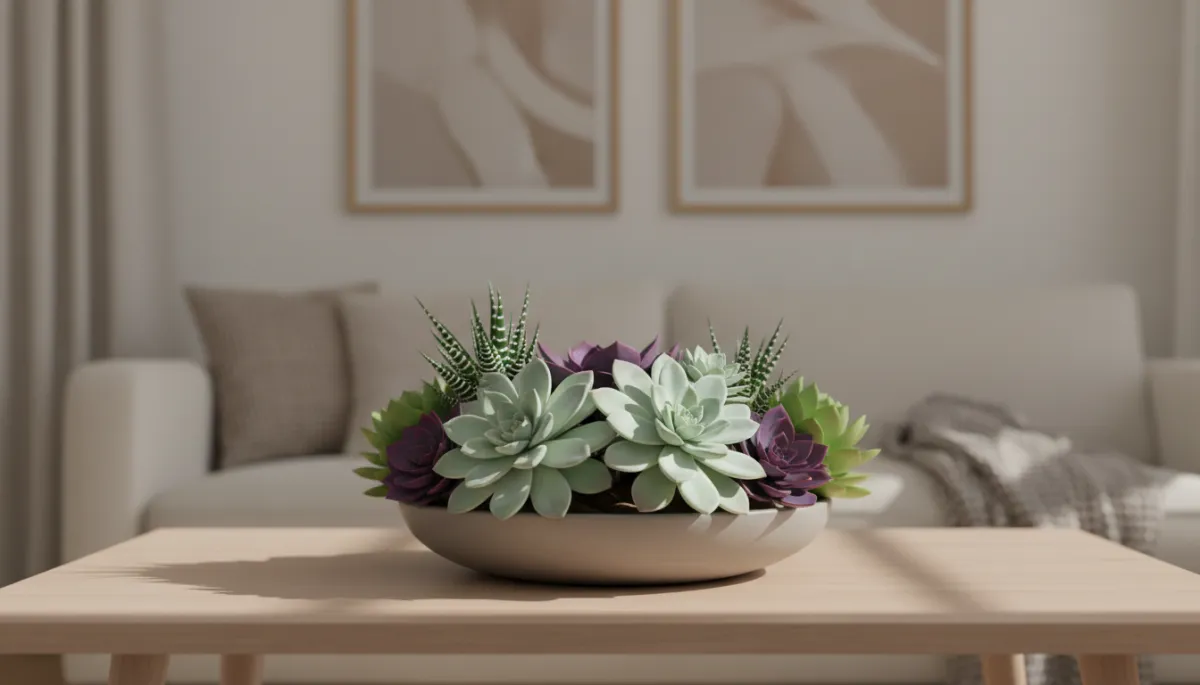
-toned arrangement of Echeveria Arctic Ice grouped with purple and green succulents in a shallow...
Cool blue rosettes help tie together mixed succulent arrangements in any room.
Sunlight Requirements for Arctic Ice
Light is one of the most important parts of succulent care, and Arctic Ice is no exception. Good light keeps the rosette tight, the color rich, and the plant overall looking sturdy and healthy. Without enough light, the plant will stretch toward the nearest window, and the leaves will grow farther apart, making it look a bit tired and floppy.
Best Indoor Locations
A bright south‑ or east‑facing windowsill is ideal.
Sunrooms, bright kitchens, and well‑lit living rooms also work well.
If your home is naturally dim, a small grow light can make a big difference.
Best Outdoor Locations
Outdoors, Arctic Ice enjoys bright conditions with some gentle direct sun—especially in the morning. In hotter climates, afternoon shade is helpful to prevent the leaves from scorching. A covered patio, balcony railing, or spot with dappled light from a tree usually works beautifully. If you’re moving your plant from indoors to outdoors, introduce it to direct sun slowly so it doesn’t burn.
Signs Your Plant Needs More Light
The stem starts to stretch, and the plant looks taller and less compact.
Leaves are spaced farther apart instead of overlapping neatly.
The rosette leans strongly toward the window instead of sitting upright.
Color fades, and the plant looks more dull green than icy blue.
💡 Pro Tip: If you need to move your Arctic Ice to a brighter spot, do it gradually over a week or two. Sudden changes from low light to strong sun can cause sunburned leaves.
Watering Requirements: The Soak‑and‑Dry Method
Most succulent problems start with watering, so this is where careful plant maintenance really pays off. Echeveria Arctic Ice stores water in its thick leaves, which means it would rather be a little too dry than even slightly soggy. The soak‑and‑dry method is simple and works beautifully for this plant.
Step 1: Water Thoroughly
When it’s time to water, pour water slowly over the soil until it runs out of the drainage holes at the bottom of the pot. Aim for the soil, not the leaves, to avoid water sitting in the rosette, which can lead to rot.
Step 2: Let Excess Water Drain Away
Make sure your pot has drainage holes, and let it sit for a few minutes so any extra water can escape. Empty any water that collects in the saucer—this prevents the roots from sitting in water and helps keep them healthy.
Step 3: Wait Until the Soil Is Completely Dry
This part is key. Let the soil dry out all the way through before you water again. You can check with your finger or a wooden skewer—if it comes out dry and clean, it’s time for another drink. If it’s even a little damp, wait a few more days.
Step 4: Adjust for the Seasons
In warmer months, many Arctic Ice plants are happy with watering every two to three weeks, depending on your home and pot size. In winter, growth slows down, and the plant uses less water—so you may only need to water every three to four weeks. Always let the soil guide you rather than the calendar.
Signs of Overwatering
Yellowing, translucent, or mushy leaves
A soft, squishy stem or base
Dark spots on leaves or soil that stays wet for days
If you notice these signs, stop watering right away, let the soil dry completely, and consider repotting into fresh, dry, well‑draining soil. Catching overwatering early can save your plant before root rot sets in.
Signs of Underwatering
Wrinkled or slightly shriveled leaves
Leaves feel thin instead of plump and firm
Mild drooping or a tired appearance
The good news is that underwatering is usually easy to fix. Give your Arctic Ice a deep, thorough watering, then return to your regular soak‑and‑dry routine. Within a week or two, the leaves should plump back up if the plant is otherwise healthy.
Choosing the Right Soil and Pot
Healthy roots are the foundation of easy succulent care, and both soil and pot choice play a big role. Arctic Ice does best in a fast‑draining succulent or cactus mix. You can buy a ready‑made mix or improve a regular potting soil by adding coarse sand, perlite, or pumice to help extra water escape quickly.
For pots, terracotta is a popular option because it’s porous and allows moisture to evaporate through the sides of the pot. This helps prevent overwatering and keeps the roots happier. Ceramic pots with drainage holes can also work well. Whatever you choose, avoid containers without drainage—those make plant maintenance much more difficult and increase the risk of root rot.
Temperature, Humidity, and Fertilizer Needs
Echeveria Arctic Ice prefers warm, comfortable temperatures similar to what most people enjoy indoors. Aim for 60–80°F (15–27°C) and protect it from cold drafts, sudden temperature drops, and frost. If you grow it outdoors, plan to bring it inside or provide protection when temperatures dip below about 50°F (10°C).
Low to average household humidity is perfect—there’s no need to mist this plant. In fact, keeping water off the leaves helps prevent spots and rot. When it comes to feeding, Arctic Ice is a light eater. During spring and summer, you can use a diluted succulent fertilizer once or twice for a gentle boost. Skip fertilizer in fall and winter when the plant is resting.
Growth Rate and Propagation
Arctic Ice grows slowly to moderately, forming a fuller rosette over time rather than racing upward. During its active growing seasons—usually spring and summer—you’ll notice new leaves emerging from the center and the plant gradually widening. This gentle pace is normal and makes plant maintenance easier, since you won’t need to repot constantly.
Leaf Propagation
Gently twist off a healthy leaf from the base, making sure it comes away cleanly.
Let the leaf dry for a day or two so the end can callus over.
Place it on top of dry succulent soil in a shallow tray or pot.
Mist lightly every so often, keeping the soil barely moist until roots and a tiny rosette appear.
Offset Propagation
Over time, a happy Arctic Ice may produce small offsets—baby rosettes that grow around the base of the main plant. You can gently separate these with a clean tool, let the cut ends dry for a day, then plant them in their own small pots filled with well‑draining soil. Care for them like a mature plant, just with slightly more gentle light and watering at first.
Common Problems and Simple Solutions
Problem Likely Cause Easy Fix Yellow, mushy leaves Overwatering or poor drainage Let soil dry fully, improve drainage, water less often. Stretched, leggy growth Not enough light Move to a brighter window or add a grow light. Wrinkled, thin leaves Underwatering Give a deep drink, then return to soak‑and‑dry. Faded, greener color Insufficient light over time Gradually increase light exposure to restore icy tones.
Decorating Ideas With Echeveria Arctic Ice
In the Living Room
Place your Arctic Ice on a coffee table, side table, or media console in a simple neutral pot. Its cool blue tones pair beautifully with wood, stone, and soft textiles, adding a touch of life without overwhelming your decor.
In a Home Office
A small Arctic Ice on your desk brings a calm, grounded feeling to your workspace. Because it doesn’t need constant attention, it’s a lovely reminder of nature that won’t distract you when you’re busy.
In the Bedroom
On a nightstand or dresser, the soft, frosty color of Arctic Ice adds a peaceful touch. Pair it with a candle, a favorite book, or a small tray for jewelry to create a simple, soothing vignette.
In Succulent Gardens and Containers
Arctic Ice makes a beautiful focal point in mixed succulent bowls or outdoor planters. Surround it with purple echeverias, lime‑green rosettes, and a trailing variety for movement. The cool blue center pulls the whole arrangement together and gives it a polished, intentional look.
Seasonal Care Calendar
Season Simple Care Tips Spring Resume regular watering, refresh soil if needed, and give a light feeding. Summer Provide bright light, protect from harsh afternoon sun, and monitor watering. Fall Gradually reduce watering and bring outdoor plants inside before frost. Winter Water sparingly, keep away from cold windows, and avoid fertilizing.
Final Thoughts
Echeveria Arctic Ice is a wonderful reminder that succulent care doesn’t have to be complicated. With bright light, well‑draining soil, and a patient soak‑and‑dry watering routine, this frosty blue rosette will reward you with steady growth and calm, elegant beauty. Focus on consistency rather than perfection, and you’ll find that plant maintenance quickly becomes second nature.
Whether you’re just starting your succulent journey or adding to a growing collection, Arctic Ice is an easygoing, beginner‑friendly choice that fits comfortably into almost any home. Give it a bright spot, a breathable pot, and a little attention now and then—and it will quietly thrive by your side for years to come.