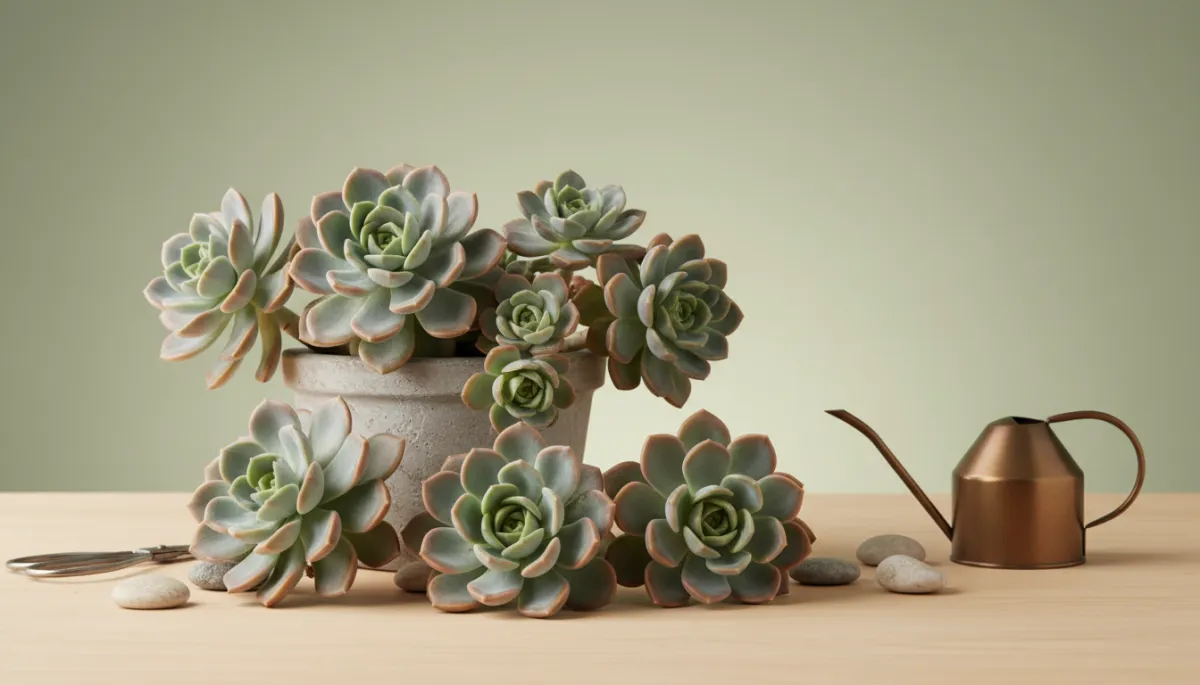
Echeveria Deranosa Care Guide: How to Grow a Healthy Rosette Succulent
Succulents, Echeveria Deranosa, Care Guide
Echeveria Deranosa Care Guide: Grow a Healthy, Compact Rosette Succulent
Echeveria deranosa is a soft, elegant rosette succulent that rewards even beginners with beautiful growth when its basic needs are met. This guide walks you through light, water, soil, and seasonal care, so your plant stays compact, colorful, and thriving all year long.
What Is Echeveria Deranosa?
Echeveria deranosa is a rosette-forming succulent known for its rounded, fleshy leaves that spiral neatly from the center. Even when it is not in bloom, the plant looks like a living flower. In bright light, the leaves can show soft shades of green, pink, or peach along the edges, giving it a gentle, pastel look that fits perfectly in neutral, modern spaces.
This echeveria stays fairly compact, which makes it ideal for windowsills, desks, and small container gardens. Like most succulents, it stores water in its leaves and prefers dry spells between waterings. With the right succulent care, it can stay compact, tidy, and colorful for many years.
Quick Care Overview for Echeveria Deranosa
Care Need Best Condition Helpful Tip Light Bright light with gentle morning sun, or bright indirect light Increase light slowly to avoid sunburn on the leaves. Water Water only when the soil is completely dry Use the “soak and dry” method, and never let water sit in the rosette. Soil Fast-draining succulent or cactus mix with extra grit Avoid heavy garden soil, which holds too much moisture. Temperature Mild to warm, above 50°F (10°C), protected from frost Bring containers indoors before cold nights or heavy rain. Fertilizer Light feeding in spring or early summer, if needed Use a diluted, balanced fertilizer and avoid overfeeding.
Why Echeveria Deranosa Is So Popular
Echeveria deranosa is loved for its classic rosette shape and soft, pastel tones. It looks decorative even in the simplest pot, and it does not need flowers to stand out. When placed in a group with other succulents, its rounded form adds a calm, balanced feel to the arrangement, making it a favorite for neutral, minimalist displays and small indoor gardens.
For beginners, this plant is especially appealing because it does not demand constant attention. With the right light, well-draining soil, and careful watering, it will quietly grow, form offsets, and keep its tidy rosette shape. This makes it a perfect choice if you want to build confidence with succulent care and plant maintenance without feeling overwhelmed.
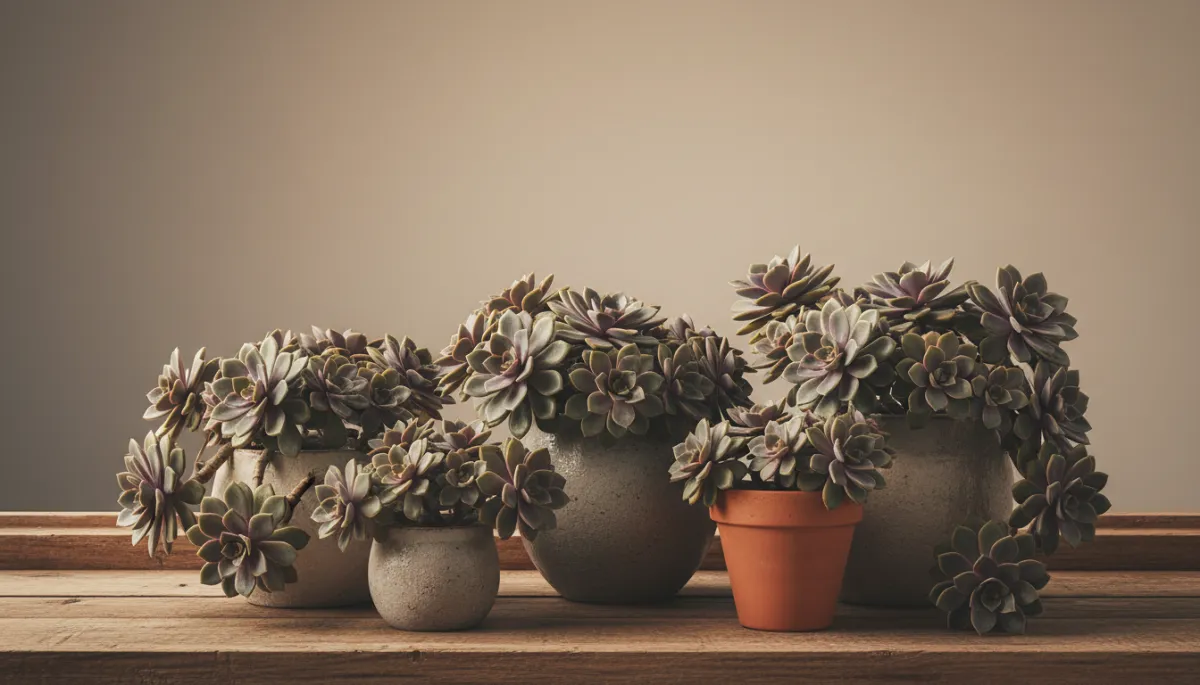
Simple neutral pots highlight the natural rosette shape and soft colors.
Light Requirements for Compact, Colorful Growth
Light is the most important part of succulent care for Echeveria deranosa. To keep the rosette tight and compact, give it plenty of bright light every day. Indoors, a south- or east-facing window is usually best. East-facing windows offer gentle morning sun, which is ideal for beginners who are worried about sunburn. South-facing windows can work well too, as long as the plant is not suddenly moved from a dark area into strong, direct sun.
Outdoors, place your plant where it receives bright light for most of the day, with some protection from harsh mid-afternoon sun. If your climate is very hot, a spot with morning sun and light afternoon shade is often perfect. Whenever you increase the light level, do it gradually over one to two weeks to avoid leaf burn.
Signs Your Echeveria Deranosa Needs More Light
Sign What It Means What to Do Stem growing tall and thin The plant is stretching toward a light source. Move it to a brighter location gradually over several days. Leaves spaced far apart Not enough light to keep the rosette tight. Provide brighter light, and rotate the pot regularly. Pale, dull leaf color The plant is not getting enough brightness to show its best tones. Increase light slowly, and avoid sudden direct sun exposure.
Watering Echeveria Deranosa Safely
Like most succulents, Echeveria deranosa stores water in its leaves, so it does not need frequent watering. Overwatering is one of the most common mistakes beginners make with succulent care. Instead of watering on a fixed schedule, always check the soil first. The top and middle of the pot should feel completely dry before you water again.
When it is time to water, pour water slowly over the soil until it runs out of the drainage holes. This is often called the “soak and dry” method. After watering, allow the pot to drain fully, and never let the plant sit in standing water. Try to keep water off the rosette and leaves. If water collects in the center, gently tilt the pot to help it drain away, which helps prevent rot and fungal problems.
How Often Should You Water Echeveria Deranosa?
Conditions Watering Advice Bright, warm location Water when the soil is completely dry, then allow it to drain well. Indoor, lower light area Water less often, as the soil will dry more slowly. Rainy season or very humid weather Reduce watering, and keep the plant sheltered from excess moisture. Cool weather or winter rest Water very sparingly, only when the soil is fully dry.
💡 Pro Tip: When in doubt, it is safer to wait a few extra days before watering. Slight underwatering is easier to fix than rot from overwatering.
Best Soil Mix for Healthy Roots
Echeveria deranosa needs a fast-draining soil mix to prevent its roots from sitting in moisture. Regular potting soil is usually too dense and holds water for too long, which can lead to root rot. Instead, choose a commercial cactus or succulent mix, or create your own by combining potting soil with coarse sand, perlite, or small pumice for extra drainage and air flow around the roots.
A good gardening tip for beginners is to test your mix by watering a small pot and watching how quickly the water drains. If the surface stays wet and heavy for more than a day, the mix is probably too rich. Adding more grit will help water move through more quickly, which is exactly what succulents like this prefer.
Choosing the Right Pot for Echeveria Deranosa
The pot you choose is a key part of plant maintenance. Always select a container with at least one drainage hole. This simple detail prevents water from collecting at the bottom and helps protect the roots from rot. While decorative pots without drainage can look attractive, they are risky for succulents. If you really want to use one, place a plastic nursery pot with drainage inside the decorative cover pot, and empty any collected water after each watering.
Terracotta and unglazed clay pots are excellent choices for beginners. They allow moisture to evaporate through the sides of the pot, which keeps the soil drier and more suitable for succulents. Neutral-colored ceramic pots also work well, as long as they have drainage. Choose a pot that is just slightly wider than the rosette. Too much extra space encourages the soil to stay wet for longer than the plant needs.
Temperature and Humidity Preferences
Echeveria deranosa prefers mild to warm temperatures and does not tolerate frost. Aim to keep it above 50°F (10°C). In many climates, it can live outdoors in containers during the warmer months and then be moved indoors when nights become chilly. Sudden cold, especially combined with wet soil, can damage the leaves and roots quickly.
Average indoor humidity is usually fine. Very high humidity, especially in combination with low light, can increase the risk of rot. If you live in a humid area, focus on using a very fast-draining soil mix, watering less often, and giving your plant plenty of air circulation. Avoid placing it in closed, steamy rooms like bathrooms with no windows.
Fertilizing Echeveria Deranosa the Right Way
Echeveria deranosa does not need heavy feeding to stay healthy. In fact, too much fertilizer can cause soft, weak growth that is more likely to rot or stretch. If you choose to fertilize, do it lightly in spring or early summer, when the plant is actively growing and receiving good light. Use a balanced, water-soluble fertilizer at about a quarter to half of the recommended strength, and apply it to damp soil rather than dry roots.
Avoid fertilizing a plant that is stressed, newly repotted, recovering from rot, or living in very low light. In these situations, focus on correct light, watering, and soil instead. For most beginners, one gentle feeding per year is more than enough, and many gardeners skip fertilizer entirely and still enjoy healthy, compact plants.
How to Keep Echeveria Deranosa Compact and Neat
A compact rosette is usually the result of good light. When Echeveria deranosa receives enough brightness, the leaves stay close together, and the plant keeps its tidy, symmetrical shape. If the light is too weak, the plant will stretch upward, and the rosette will open and lose its tight form. This is one of the most common plant maintenance challenges with indoor succulents, but it is easy to correct by improving the light source.
Rotate the pot every week or two so that all sides receive equal light, which helps the rosette grow evenly. If your only window is not very bright, you can supplement with a small grow light placed above the plant. Keep the light at a gentle distance, and increase exposure slowly. Over time, new leaves will grow closer together, and the plant will look more compact again, even if older stretched growth remains lower on the stem.
Common Problems and How to Fix Them
Problem Likely Cause Simple Solution Mushy, translucent leaves Overwatering or root rot Let soil dry fully, remove damaged leaves, and check roots. Stem turning black or soft Advanced rot from excess moisture Cut away healthy parts and propagate to save the plant. Plant growing tall and leaning Not enough light, causing leggy growth Move to brighter light, and consider beheading to restart. Brown, dry leaf tips Underwatering, heat, or past sunburn Adjust watering, and provide gentler light if needed.
Why Echeveria Deranosa Becomes Leggy
Leggy growth happens when the plant stretches toward a light source because it is not receiving enough brightness. The stem becomes longer, the leaves spread apart, and the rosette loses its compact look. This is especially common when succulents are grown on shelves far from windows or in rooms that stay dim most of the day.
To prevent this, place your Echeveria deranosa as close as possible to a bright window, and avoid hiding it behind curtains or tall objects. If your plant is already leggy, you can improve its appearance by increasing light and using propagation techniques like beheading, which lets you restart with a fresh, compact rosette at the top of the stem.
How to Propagate Echeveria Deranosa
Propagating Echeveria deranosa is a fun way to expand your collection, rescue a stretched plant, or share cuttings with friends. You can propagate it through healthy leaves, offsets (baby rosettes), or stem cuttings. Each method follows the same beginner-friendly principles: take healthy material, let it dry and callus, then place it on or in fast-draining soil and water sparingly until new roots form.
Leaf Propagation
Many echeverias can be propagated from single leaves, and Echeveria deranosa often responds well to this method. Choose a mature, healthy leaf from the lower part of the rosette. Gently twist it sideways until it comes off cleanly, making sure the entire base of the leaf is intact. Damaged or torn leaves are less likely to root successfully.
Place the leaf on a dry tray or on top of dry succulent soil and let the cut end dry and callus for a few days. Once it has callused, set it on top of the soil in bright, indirect light. Mist the soil lightly or give very small sips of water only when the soil is dry. Over time, tiny roots and a baby rosette may form at the base of the leaf. When the new plant is large enough, you can gently pot it up on its own and begin regular succulent care.
Offset Propagation
As Echeveria deranosa matures, it may produce offsets, or “pups,” around the base of the main rosette. These baby plants are often the easiest way to propagate. Wait until the offset has grown a bit and developed its own small root system. Then, carefully remove the soil around it and gently separate it from the mother plant using your fingers or a clean tool.
Allow any broken surfaces to dry and callus for a day or two, then plant the offset in a small pot with fast-draining soil. Place it in bright, indirect light and water lightly after a few days. As it establishes roots, you can gradually treat it like a mature plant, following the same watering and light guidelines as the parent rosette.
Stem Cutting or Beheading
If your Echeveria deranosa has become very leggy, you can behead it to create a new, compact plant. Use clean, sharp scissors or a knife to cut the top rosette from the stem, leaving a short stem attached to the rosette. Remove a few of the lowest leaves to create a small bare section of stem that can be inserted into soil later.
Let the cutting dry and callus for several days in a bright, dry spot. Then, plant the stem into succulent soil, just deep enough to support the rosette. Water very lightly at first, and increase watering slightly once you see new roots or growth. The remaining stem in the original pot may also produce new offsets over time, giving you multiple plants from one beheading session.
When and How to Repot Echeveria Deranosa
Echeveria deranosa does not need frequent repotting. Many plants can stay in the same pot for several years. Consider repotting when the rosette clearly outgrows the container, when the soil stays wet for too long, or when roots begin to grow out of the drainage holes. Repotting is also a good chance to refresh old soil that has become compacted or depleted.
The best time to repot is in spring or early summer, when the plant is entering an active growth period. Gently remove the plant from its old pot, shake off loose soil, and trim away any dead or mushy roots with clean scissors. Place it in a slightly larger pot with fresh, fast-draining succulent mix. Wait a few days before watering to allow any disturbed roots to heal, then resume your normal watering routine.
Flowering Habits
Under good conditions, mature Echeveria deranosa may send up flower stalks that rise above the rosette. The blooms add extra charm, but they are not required for the plant to look beautiful. Flowering can be a sign that your succulent care routine is working well. After the flowers fade, you can trim the stalk close to the base with clean scissors to keep the plant looking neat.
Is Echeveria Deranosa Safe Around Pets?
Echeverias are generally considered safer than many other ornamental plants, but it is still a good idea to keep Echeveria deranosa out of reach of curious pets. Even plants that are not highly toxic can cause mild stomach upset if chewed or swallowed. As a simple plant maintenance habit, place your succulents on shelves, windowsills, or tables where pets are less likely to nibble on them or knock them over.
Simple Display Ideas for Echeveria Deranosa
Because of its natural rosette shape, Echeveria deranosa looks lovely in very simple displays. A single plant in a terracotta pot can be enough to create a calm focal point on a desk or bedside table. Neutral ceramic pots in white, cream, or soft gray help highlight the plant’s gentle colors and rounded form without competing for attention.
You can also group several rosettes in a shallow bowl with plenty of drainage, spacing them so each plant has room to grow. For a beginner-friendly gardening project, combine Echeveria deranosa with other low-maintenance succulents that enjoy similar light and water conditions. Keep the arrangement near a bright window, and rotate the container regularly for even growth.
Seasonal Care Tips for Year-Round Health
Season or Condition Care Adjustment Hot, sunny weather Give bright light, but protect from sudden harsh afternoon sun. Rainy or very humid season Reduce watering, shelter from heavy rain, and ensure fast drainage. Cool autumn weather Water less often, and prepare to move plants indoors if frost is likely. Winter indoors Provide the brightest window possible, and keep watering very light.
Care Mistakes to Avoid with Echeveria Deranosa
Watering too often, especially in low light or cool temperatures.
Using pots without drainage holes, which trap excess water at the bottom.
Keeping the plant in dark rooms far from windows for long periods.
Planting in heavy garden soil instead of a fast-draining succulent mix.
Letting water sit in the rosette or on the leaves for long periods.
Moving the plant suddenly from shade into strong, direct sun.
📌 Key Takeaway: Most problems with Echeveria deranosa come from too much water or too little light. Focus on bright conditions, fast-draining soil, and patient watering habits.
Final Thoughts: Simple Succulent Care for Lasting Beauty
Echeveria deranosa is a gentle, forgiving succulent that fits beautifully into neutral, modern spaces and small container gardens. It does not demand complex routines, but it does appreciate thoughtful succulent care: bright light, careful watering, fast-draining soil, and a pot with good drainage. When these basics are in place, the plant often rewards you with a compact rosette, soft color, and occasional flowers.
For beginners, this plant is a friendly introduction to plant maintenance and gardening tips that will serve you well with many other succulents. Start with one healthy rosette, learn its rhythm, and enjoy the calm, living presence it brings to your windowsill or workspace. Over time, you may find yourself propagating offsets, rearranging displays, and confidently caring for a growing collection of plants that actually thrive.