Echeveria Hercules Care Guide: How to Grow a Compact Blue-Green Rosette Succulent
Succulents, Echeveria Hercules Care
Echeveria Hercules Care Guide: Grow a Compact Blue‑Green Rosette That Actually Thrives
Curious about Echeveria Hercules and how to keep this compact blue‑green rosette happy, healthy, and beginner‑friendly? This guide walks you through light, watering, soil, pots, and propagation so your plant stays small, neat, and alive for the long haul.
What Is Echeveria Hercules?
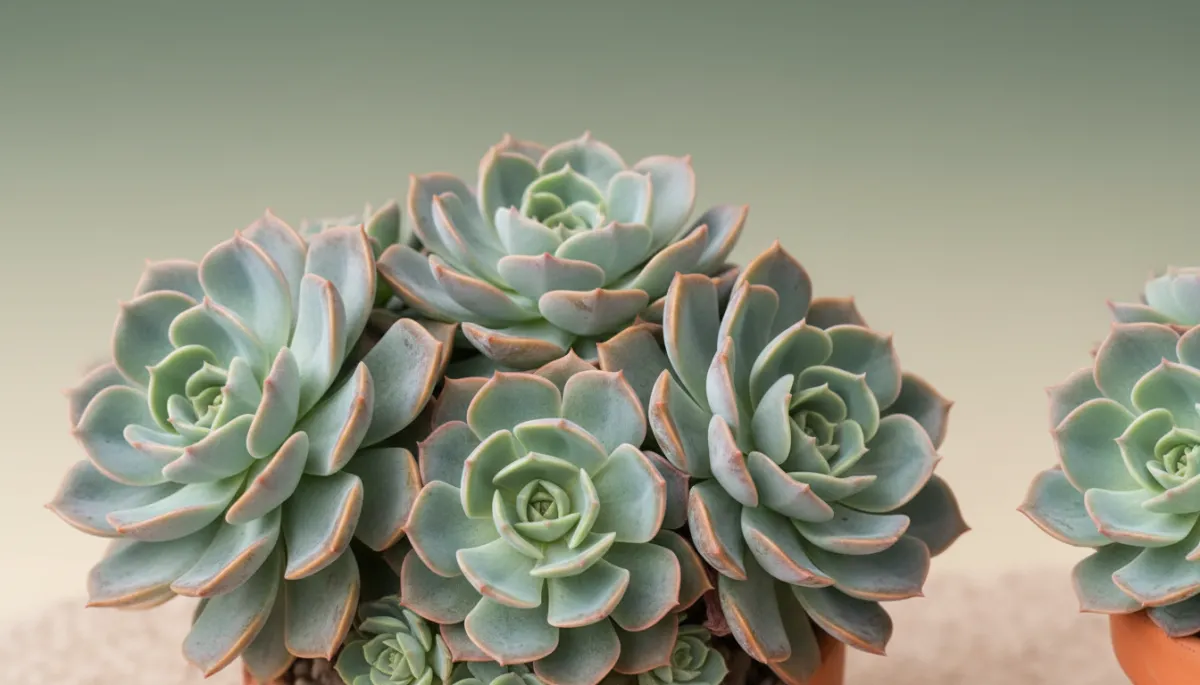
Echeveria Hercules is a hybrid echeveria known for its tight, compact rosette and soft blue‑green leaves. Depending on light and temperature, the foliage can look gray‑green, powdery blue, or slightly silvery, often with pink or purple edges on the outer leaves. The overall effect is clean, balanced, and very easy to style in modern, neutral spaces.
This succulent usually stays small, which makes it perfect for windowsills, desks, and small container gardens. Like other echeverias, it stores water in its thick leaves, prefers bright light, and dislikes sitting in wet soil. Once you understand those basic needs, Echeveria Hercules is surprisingly low‑maintenance and rewarding for beginners.
Quick Care Overview for Echeveria Hercules
Aim for at least 4–6 hours of bright light daily. Watering following the Soak‑and‑dry method. Water fully, then let soil fully dry. When in doubt, wait a few extra days before watering again. Soil sholud be gritty, fast‑draining succulent mix. Avoid regular potting soil on its own; it holds too much water. Temperature Warm, dry, frost‑free conditions Protect from frost, cold rain, and drafts. Fertilizer Light, diluted succulent fertilizer in growing season Less is more; too much can damage roots and stretch growth.
Why Echeveria Hercules Is So Popular
Echeveria Hercules has a tidy, symmetrical look that many people love. When grown in enough light, the leaves stay close together, and the rosette remains small and rounded. The soft blue‑green color with pink edges fits beautifully into neutral home decor, minimalist shelves, and small indoor gardens. It also pairs well with other succulents because its colors are gentle, not overpowering.
For beginners, this plant is appealing because it does not need daily attention. As long as you give it bright light, well‑draining soil, and careful watering, it will reward you with slow, steady growth and a clean silhouette. Over time, it can produce offsets, giving you more plants to enjoy or share without much extra effort.
Light Requirements: Keeping Your Rosette Compact
Light is the most important factor for keeping Echeveria Hercules compact. In low light, the plant stretches toward the nearest window, the stem elongates, and the leaves spread apart. This is called leggy growth, and once it happens, the rosette loses its neat shape. To avoid this, aim for bright light every day, with some direct sun if possible.
Best indoor spot: An east‑facing window with gentle morning sun is ideal for many homes. A bright south or west window can also work if you protect the plant from harsh afternoon rays in very hot climates.
Outdoor growing: If you grow it outside, choose a spot with bright light and a few hours of direct sun, but avoid strong midday sun that can scorch the leaves, especially in summer.
Gradual changes: When moving your plant from shade to sun, do it slowly over a week or two. Sudden intense light can cause sunburn, leaving pale or brown patches on the leaves.
💡 Pro Tip: If your Echeveria Hercules starts leaning toward one side, rotate the pot a quarter turn every week. This helps the rosette grow evenly and stay symmetrical.
Watering Echeveria Hercules: Mastering the Soak‑and‑Dry Method
Watering is where many beginners struggle, but Echeveria Hercules is easy once you follow one simple rule: water deeply, then let the soil dry out completely before watering again. This is called the soak‑and‑dry method, and it copies how succulents experience rare but heavy rains in nature, followed by long dry periods.
Water thoroughly until water runs from the drainage hole at the bottom of the pot.
Let all excess water drain away. Do not leave the pot sitting in a saucer of water.
Wait until the soil is completely dry before watering again. This may take 1–3 weeks, depending on your climate, pot size, and light.
Avoid light, frequent watering. Constant dampness can cause root rot, mushy leaves, and a collapsing rosette. It is much safer to underwater slightly than to overwater. If the leaves look a bit wrinkled or soft and the soil is dry, it is a sign your plant is ready for a drink. If the leaves are turning translucent, yellow, or mushy while the soil is still wet, hold off on watering and check the roots for rot.
Best Soil Mix for Healthy Roots
Echeveria Hercules needs a fast‑draining soil mix. Regular potting soil holds water for too long, which increases the risk of rot. Instead, use a commercial cactus and succulent mix, or make your own by combining potting soil with coarse materials that create air pockets and drainage. Good options include perlite, pumice, and coarse sand.
A simple beginner blend is about two parts succulent mix to one part extra pumice or perlite. This helps water flow through quickly and keeps the roots from staying soggy.
Avoid heavy garden soil, compost‑only mixes, or anything that feels dense and sticky when wet. Your goal is a light, gritty texture that dries out in a reasonable amount of time.
Choosing the Right Pot for Echeveria Hercules
The pot you choose affects how quickly the soil dries, how stable the plant is, and how easy it is to avoid overwatering. For beginners, a pot with a drainage hole is non‑negotiable. Without drainage, extra water has nowhere to go, and roots can sit in moisture for days or weeks.
Size: Choose a pot that is only slightly wider than the rosette. A large pot holds more soil, which holds more water, and that can lead to rot. A snug pot dries out more predictably.
Material: Terracotta is a great choice for beginners because it is breathable and helps moisture evaporate. Glazed ceramic and plastic work too, as long as you adjust your watering and ensure good drainage.
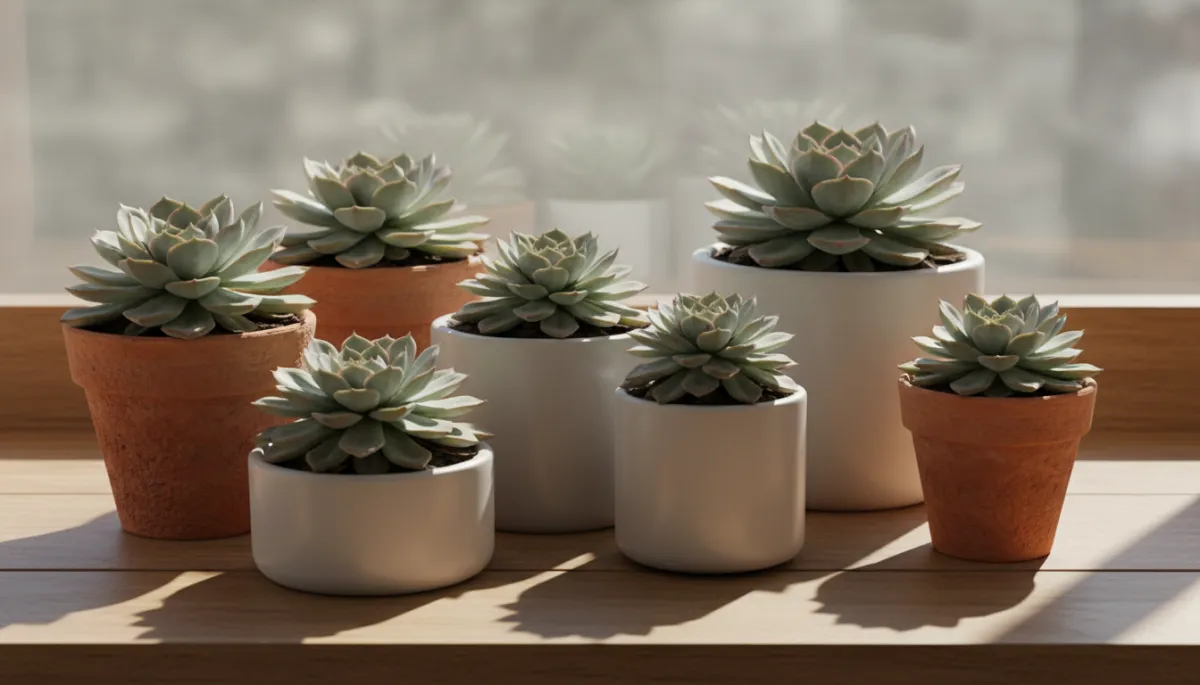
Compact pots with drainage keep Echeveria Hercules tidy, dry, and less prone to rot.
Temperature and Humidity: Warm and Dry Wins
Echeveria Hercules prefers warm, dry air and does not enjoy cold, damp conditions. Most normal indoor homes are fine, as long as you keep the plant away from cold drafts, icy windows, and air conditioners that blow directly on it. Outdoors, it does best in mild climates where it can stay dry during cold weather and avoid frost.
If your area experiences frost or heavy winter rain, move the plant indoors or under cover before temperatures drop too low.
High humidity is not ideal, especially when combined with low light. In bathrooms or very humid rooms, be extra cautious with watering and make sure there is plenty of airflow.
Fertilizing Echeveria Hercules Gently
Echeveria Hercules does not need heavy feeding. In fact, too much fertilizer can push weak, stretched growth and make the plant more vulnerable to rot. If you want to fertilize, do so lightly during the active growing season, typically spring and early summer, and skip it during winter when growth naturally slows.
Use a balanced cactus or succulent fertilizer at half or quarter strength, once a month or less while the plant is actively growing.
Do not fertilize a newly repotted, stressed, or recently overwatered plant. Give it time to recover first.
How to Keep Echeveria Hercules Compact and Neat
A compact Echeveria Hercules is mostly a sign of good light, correct watering, and the right pot. When these basics are in place, the rosette stays tight, the colors are richer, and the plant looks balanced from every angle. You can also gently groom your plant to keep it looking fresh.
Remove dry, crispy leaves from the bottom of the rosette. This improves airflow and reduces hiding spots for pests, while keeping the plant looking tidy.
Check light levels regularly. If you notice the plant starting to lean, stretch, or lose its compact form, move it to a brighter spot before the leggy growth gets too advanced.
Common Problems and How to Fix Them
Problem Likely Cause Simple Solution Mushy, translucent leaves Overwatering or poor drainage Let soil dry, remove damaged leaves, and check roots for rot. Plant growing tall and thin Not enough light (leggy growth) Move to a brighter spot, then consider propagation by stem cutting. Leaves shriveling and thin Underwatering or very dry air over time Water thoroughly, then return to the soak‑and‑dry schedule.
Why Echeveria Hercules Gets Leggy
Leggy growth happens when Echeveria Hercules does not receive enough light. The plant stretches upward, the stem becomes visible, and the leaves are spaced farther apart. This is the plant’s way of trying to reach more light. While some stretching is harmless, severe legginess makes the rosette look uneven and can weaken the plant over time.
To prevent this, place your plant where it gets bright light for most of the day, and rotate it regularly. If your Echeveria Hercules is already leggy, you can fix the look by taking a stem cutting and re‑rooting the top, which also gives you a chance to refresh the soil and pot.
Propagating Echeveria Hercules: Easy Ways to Get More Plants
Propagation is one of the most satisfying parts of succulent care. Echeveria Hercules can be propagated from offsets, individual leaves, or stem cuttings. For beginners, propagation is a gentle way to learn more about how succulents grow, while building a small collection without buying new plants each time.
Offset Propagation (Baby Rosettes)
Mature Echeveria Hercules plants often produce small rosettes, or offsets, around the base. These are tiny copies of the main plant and are usually the easiest way to propagate. Wait until the offset is large enough to handle, with a few layers of leaves, before separating it.
Gently remove the plant from its pot and brush away some soil to see the connection between the mother plant and the offset.
Use clean fingers or a sterile knife to separate the offset, keeping as many roots attached as possible.
Let the offset sit in a dry, shaded place for a day if any cuts are fresh, then plant it in dry, well‑draining succulent mix and wait a few days before the first watering.
Leaf Propagation
Leaf propagation takes longer, but it is a fun way to watch new plants form from a single leaf. Choose a healthy leaf from the middle section of the rosette, not one that is already shriveled or damaged.
Gently twist the leaf away from the stem, making sure the entire base of the leaf comes off cleanly. A broken or torn base is less likely to root well.
Place the leaf on top of dry succulent soil in a bright, indirect light spot. Do not bury it.
Allow the cut end to callus over for a few days. Then, lightly mist the soil every few days, or when it is completely dry, until roots and a baby rosette appear at the base of the leaf.
Stem Cutting (Fixing a Leggy Plant)
If your Echeveria Hercules has become tall and stretched, stem cutting is a great way to refresh it. You will create a new plant from the top rosette, and the remaining stem may even produce new offsets over time.
Use clean, sharp scissors or a knife to cut the top rosette, leaving a short stem attached.
Let the cutting dry in a bright, airy spot for a few days until the cut end forms a callus.
Place the callused end into dry succulent soil, then wait several days before lightly watering. Keep the cutting in bright, indirect light while roots form.
Repotting Echeveria Hercules Without Stress
Echeveria Hercules does not need frequent repotting. In fact, it often prefers to be slightly snug in its pot. Repot when the plant has clearly outgrown its container, the soil is staying wet too long, or roots are circling the bottom and coming out of the drainage hole. For most plants, this might be every two to three years, not every season.
Choose a new pot just one size larger, with a drainage hole, and prepare fresh, fast‑draining succulent soil.
Gently remove the plant from its old pot, loosen the root ball slightly, and trim away any dead or rotten roots.
Place the plant at the same depth in the new pot, fill around it with soil, and wait a few days before watering to let any disturbed roots settle.
Flowering: When Hercules Shows Off
A happy, mature Echeveria Hercules can send up tall flower stalks topped with bell‑shaped blooms, often in shades of yellow, orange, or pink. The flowers appear when the plant has enough light and energy stored in its leaves. Unlike some succulents, echeverias are not monocarpic, so the main rosette does not die after flowering.
You can enjoy the blooms as they are, or trim the flower stalk once it fades to keep the plant looking neat. Flowering is a sign that your basic care routine—light, watering, and soil—is working well.
Is Echeveria Hercules Beginner‑Friendly?
Yes, Echeveria Hercules is a good choice for beginners who are ready to learn the basics of succulent care. It does not need complicated routines, but it does require you to respect its preferences: bright light, dry spells between waterings, and soil that drains quickly. If you can provide those, you will find this plant forgiving and rewarding.
📌 Key Takeaway: Treat Echeveria Hercules like a sun‑loving, desert‑style plant—lots of light, airy soil, and water only after the soil is fully dry.
Display Ideas for a Compact Blue‑Green Rosette
Because Echeveria Hercules has such a tidy shape, it looks beautiful in simple, understated pots. A plain white, beige, or terracotta container lets the rosette’s blue‑green tones and pink edges stand out. You can display a single plant as a focal point, or group several together for a soft, textured arrangement on a sunny shelf or windowsill.
Combine it with other compact echeverias or small haworthias for a mixed succulent bowl, making sure all plants share similar light and watering needs.
Place a single Echeveria Hercules on a bedside table, desk, or coffee table where it can enjoy bright light and bring a calm, natural touch to the room.
Seasonal Care Tips for Year‑Round Success
Season or Condition Care Adjustment Hot, sunny weather Check soil more often, water when fully dry, and protect from harsh afternoon sun if leaves start to scorch. Rainy season or very humid period Reduce watering, keep the plant in a sheltered spot, and make sure excess water can drain freely from the pot. Cool or winter season Provide as much light as possible, water less often, and protect from frost, cold drafts, and very cold windowsills.
Final Thoughts: Simple Care for a Beautiful Succulent
Echeveria Hercules is a lovely choice if you want a compact, blue‑green rosette that looks polished without demanding constant attention. By focusing on four basics—bright light, careful watering, fast‑draining soil, and the right pot—you can keep this succulent looking neat and vibrant all year. Once you feel confident, try propagating offsets, leaves, or stem cuttings to grow a small family of Hercules plants on your windowsill.
With a little observation and patience, even beginners can master succulent care, experiment with propagation, and enjoy a thriving, compact Echeveria Hercules that truly earns its place in your collection.