Echeveria Laui Care Guide: How to Grow This Rare Powdery Succulent
Succulent Care, Echeveria laui, Plant Maintenance
Echeveria Laui Care Guide: How to Grow This Rare Powdery Succulent
Echeveria laui looks like it was sculpted from pastel chalk — soft, round leaves covered in a dreamy, powdery coating that seems almost unreal. It is delicate in appearance, but with the right succulent care and a few simple habits, this rare beauty can thrive on your windowsill or patio for many years. If you are new to plant maintenance or just starting your succulent journey, this friendly guide will walk you through everything you need to know, step by step, so you can enjoy a healthy, happy Echeveria laui without feeling overwhelmed.
What Is Echeveria Laui?
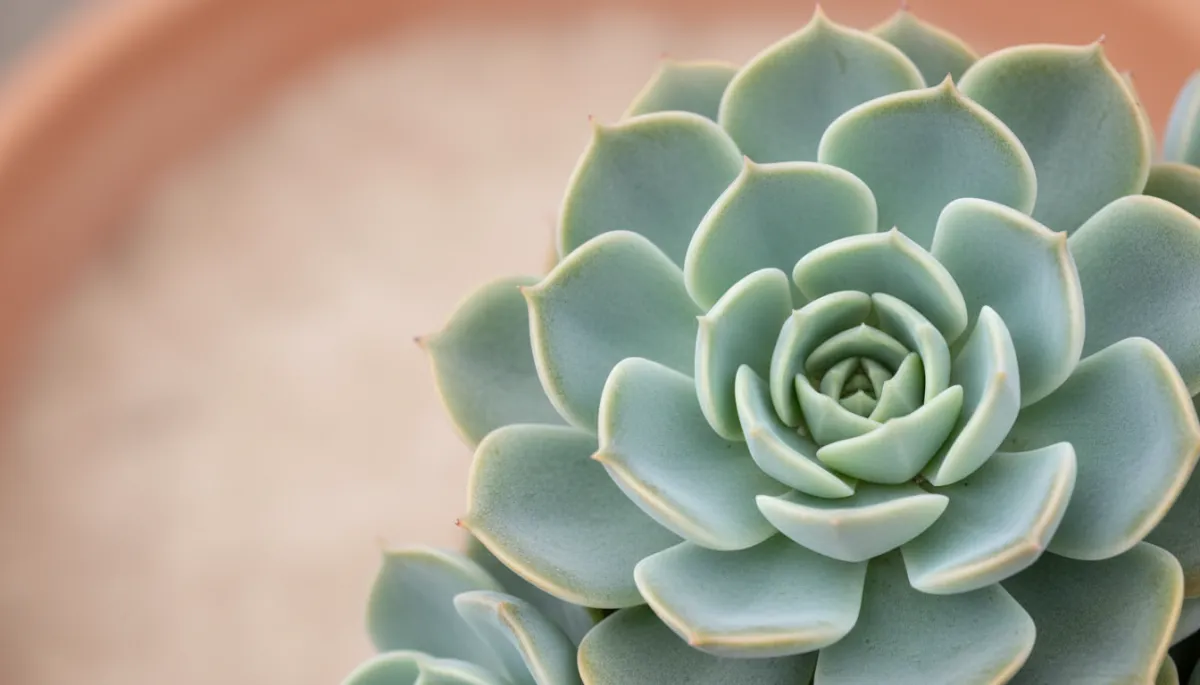
Echeveria laui is a rare succulent species native to Oaxaca, Mexico. In its natural habitat, it grows on rocky slopes, where water drains away quickly and the sun is bright but not constantly harsh. The plant forms a compact rosette with thick, rounded leaves that can look pale blue, silvery white, or softly pink, depending on the light and growing conditions. What makes this succulent especially eye-catching is the heavy layer of natural powder on its leaves, called farina or epicuticular wax. This powder gives Echeveria laui its velvety, matte finish and protects the plant from strong sun and excess moisture.
Because Echeveria laui is not as commonly available as other succulents, it is often considered a collector’s plant. Do not let that intimidate you, though. Its basic needs — bright light, well-draining soil, and careful watering — are the same core principles you will use for most succulent care. Once you understand those basics, you are already halfway to success with this special plant.
Quick Care Table for Echeveria Laui
Care Need Best Condition Friendly Tip Light Bright indirect light or gentle morning sun Introduce stronger sun slowly to avoid leaf burn. Watering When soil is completely dry, then water deeply When in doubt, wait a few more days before watering. Soil Very well-draining succulent or cactus mix Add extra pumice or perlite for faster drainage. Temperature 65–80°F (18–27°C), no frost Bring indoors before temperatures drop near freezing. Humidity Low to moderate, with good airflow Avoid closed, steamy rooms or constantly wet soil. Fertilizer Diluted succulent fertilizer in growing season Less is more — skip feeding when the plant is stressed.
Why Echeveria Laui Is So Popular
Among succulent lovers, Echeveria laui has a bit of a celebrity status. Many succulents rely on bright, bold colors to stand out, but this plant does the opposite — it is soft, subtle, and almost glowing. Its rounded leaves and thick farina make it look like it has been dusted with pastel chalk or powdered sugar. When it is happy, it forms a tight rosette that looks perfectly symmetrical, which is especially satisfying if you enjoy plants that look tidy and sculptural in your home.
Another reason it is so loved is that it pairs beautifully with neutral décor. The muted tones complement simple ceramic pots, wooden shelves, and soft textiles. Instead of shouting for attention, Echeveria laui quietly elevates a space. For beginners, it can also be a gentle introduction to more advanced plant maintenance — it teaches you to be patient, observant, and light-handed with water, which are skills that will help you with all your future succulents.
Light Requirements for Echeveria Laui
Light is one of the most important parts of succulent care, and Echeveria laui is no exception. Without enough light, the plant will slowly stretch, losing its compact rosette shape and becoming tall and leggy. With too much intense, direct sun — especially hot afternoon sun — the leaves can burn, leaving permanent brown patches and damaging the protective farina. Your goal is to find the sweet spot between those two extremes.
Indoors, place your Echeveria laui near a bright window with plenty of indirect light. An east-facing window with gentle morning sun is ideal, or a slightly shaded south-facing window where the plant is not pressed right up against the glass.
Outdoors, choose a spot with bright light and partial shade during the hottest part of the day. Covered patios, bright porches, or areas with dappled sunlight from a tree work well.
💡 Friendly tip: If your plant has been living in low light, move it to brighter conditions slowly — a little more light each week — so the leaves can adjust without burning.
Watering Echeveria Laui the Right Way
If you are used to watering leafy houseplants often, Echeveria laui will ask you to slow down. Like many succulents, it stores water in its thick leaves, which means it prefers to dry out completely between waterings. Overwatering is the most common reason this plant fails, so a gentle, cautious approach goes a long way in your plant maintenance routine.
Check the soil with your finger or a wooden skewer. The mix should feel completely dry from the top down several centimeters before you even think about watering.
When it is dry, water thoroughly until water runs out of the drainage holes, then let the pot drain completely. Do not let the plant sit in a saucer of water.
Avoid splashing water directly on the leaves. The farina can be washed away, and water trapped in the rosette can lead to rot.
In warmer months, you may water every 7–14 days, depending on your climate, pot size, and soil mix. In cooler seasons or in low light, the soil will stay wet longer, so you might water only once every few weeks. Remember — it is much easier to recover from slightly underwatering than from a case of root rot caused by too much water.
Best Soil for Healthy Roots
Echeveria laui needs soil that drains quickly and does not hold onto moisture for long periods. Regular garden soil or dense potting mix stays wet too long around the roots, which is risky for any succulent. To support good succulent care, choose or create a mix that is gritty, airy, and fast-draining, so the roots get both moisture and oxygen.
Look for a commercial cactus or succulent mix as a starting point.
Improve drainage by mixing in extra pumice, perlite, or coarse sand — often one part added grit to two parts succulent mix works well.
When you water, the soil should become moist, then quickly begin to dry again. If you notice that the mix stays dark and wet for days, it is a sign that you either need a grittier soil or a pot that breathes better, such as unglazed terracotta. Healthy roots are the foundation of easy plant maintenance, so it is worth taking your time to get the soil right from the start.
Pot Requirements for Echeveria Laui
The pot you choose can make succulent care much easier. For Echeveria laui, drainage holes are non-negotiable. A pot without drainage may look stylish, but it traps excess water, which can quickly lead to rot. Terracotta pots are especially beginner-friendly because they are porous — they allow moisture to evaporate through the sides, helping the soil dry more evenly between waterings.
Choose a pot that is just slightly larger than the rosette. Too much extra space means more soil, which holds more water than the plant needs.
Make sure the drainage hole is clear, and empty any excess water from the saucer after watering.
How to Keep the Farina Beautiful
The powdery coating on Echeveria laui is one of its most charming features, but it is also delicate. Once the farina is rubbed off, it does not grow back on that part of the leaf. This does not harm the plant’s health, but it does change its appearance. If you want to keep your rosette looking soft and evenly frosted, handle it as little as possible and be mindful during your regular plant maintenance.
What to Avoid Why It Matters Touching the leaves often Oils from your skin remove the farina and leave shiny marks. Wiping or polishing the leaves Cleaning removes the protective powder permanently from that area. Heavy overhead watering Strong streams of water can wash away farina and collect in the rosette.
When you need to move the plant, try holding the pot instead of the rosette. If a bit of farina comes off over time, do not worry — it is a normal part of living with the plant, and new leaves will still grow with their natural powder intact.
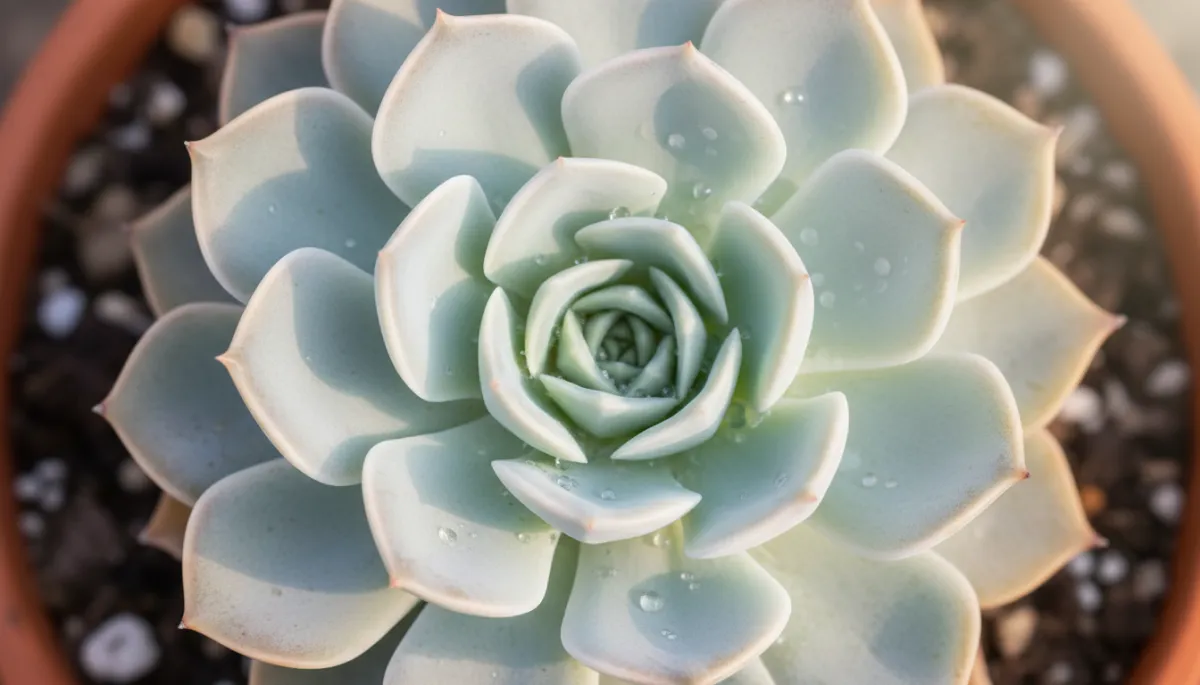
Gentle handling and dry soil help Echeveria laui keep its powdery glow.
Temperature and Humidity Needs
Echeveria laui prefers warm, dry conditions — think of a sunny, rocky hillside rather than a steamy rainforest. Ideal temperatures range from about 65–80°F (18–27°C). The plant does not tolerate frost, and cold, wet soil is especially stressful. If you live in a region with cold winters, treat this succulent like a seasonal outdoor guest and bring it inside before nighttime temperatures drop near freezing.
Humidity should be low to moderate. Bathrooms with long, hot showers or kitchens with constant steam are not the best spots. In more humid climates, good airflow becomes very important — a gentle fan, an open window, or simply avoiding cramped, crowded plant shelves can help keep moisture from lingering on the leaves and soil surface.
Fertilizing Echeveria Laui Gently
Echeveria laui is not a heavy feeder. Too much fertilizer can cause soft, weak growth that is more likely to rot or stretch. If you choose to fertilize, do it lightly during the active growing season — usually spring and early summer — and skip it during periods of stress, such as right after repotting or when the plant is recovering from damage.
Use a balanced, water-soluble fertilizer made for succulents, diluted to about half or even a quarter of the recommended strength.
Apply once a month at most during active growth, and always on moist soil — never on bone-dry roots.
💡 Friendly tip: If you are unsure whether to fertilize, it is perfectly fine to skip it. Good light, proper watering, and well-draining soil matter far more for long-term plant maintenance.
When and How to Repot Echeveria Laui
Echeveria laui is a slow grower, so it does not need frequent repotting. In fact, leaving it undisturbed for longer periods can help it feel settled and stable. You may only need to repot every few years, or when you notice clear signs that the plant has outgrown its current setup.
The roots are circling the bottom of the pot or growing out of the drainage holes.
The soil stays wet for a long time, even when you are watering carefully.
You want to refresh the soil mix to improve drainage and overall succulent care.
When you repot, choose a pot only slightly larger than the previous one, with good drainage. Gently remove old soil from the roots, trim away any black or mushy sections, and let the plant dry for a day before placing it into fresh, dry succulent mix. Wait several days to a week before watering, so any small root wounds can heal and reduce the risk of rot.
Common Problems and Simple Solutions
Problem Possible Cause What to Do Leaves turning mushy or transparent Overwatering or root rot Remove damaged leaves, check roots, cut away rot, and let dry before repotting into fresh, dry soil. Plant stretching and losing shape Not enough light Move to a brighter spot gradually to encourage compact growth. Brown, crispy patches on leaves Sunburn from harsh direct sun Provide partial shade during hottest hours; damaged leaves will not recover but new growth will adapt. Wrinkled, slightly shriveled leaves Underwatering or very dry soil for too long Water thoroughly and then return to your usual “dry, then soak” routine.
Why Echeveria Laui Gets Leggy
A healthy Echeveria laui should look like a compact rosette, with leaves stacked closely together. When it starts to grow tall, with more bare stem between the leaves, it is a sign that the plant is reaching for more light. This is called etiolation, and it is one of the most common issues beginners face with succulents in general.
To fix or prevent legginess, gradually move your plant to a brighter location and keep it there consistently. Over time, new growth will be tighter and more compact, even if the older stretched section remains. If the plant becomes very tall and unbalanced, you can eventually behead the rosette and re-root it as a form of propagation — a slightly more advanced plant maintenance step that many succulent growers use to refresh older plants.
Propagating Echeveria Laui with Patience
Echeveria laui can be propagated, but it is usually slower and a bit more finicky than common varieties. If you are new to succulent care, think of propagation as an optional project rather than a requirement. The three main methods are leaf cuttings, offsets, and seeds, each with its own pace and level of difficulty.
1. Leaf Propagation
Leaf propagation is possible, but not every leaf will succeed, and it often takes time. Choose a plump, healthy leaf and gently twist it away from the stem, making sure you get the entire base of the leaf. Any tear or missing piece reduces the chance of new growth. Let the leaf dry and callus over for several days in a bright, dry spot out of direct sun, then lay it on top of dry succulent soil. Mist lightly every so often, keeping the soil barely moist, not wet, until tiny roots and a baby rosette appear.
2. Offsets
Offsets, or “pups,” are small rosettes that sometimes grow around the base of the main plant. Not every Echeveria laui will produce many offsets, but when it does, this is usually the easiest way to multiply your plant. Wait until the offset is large enough to handle and has some roots of its own. Then gently separate it from the mother plant, let any cuts dry for a day, and pot it up in a small container with well-draining soil. Care for it like a mature plant, but be extra gentle with watering at first.
3. Seeds
Growing Echeveria laui from seed is possible, but it is a long-term project best suited for patient growers. Seeds are tiny and need very specific conditions — lightly moist, well-draining soil, bright but gentle light, and protection from sudden temperature swings. If you are just starting with succulents, it is usually easier to begin with a healthy potted plant and explore seed propagation later, once you are more comfortable with everyday plant maintenance.
Is Echeveria Laui Beginner-Friendly?
Echeveria laui sits somewhere in the middle of the difficulty scale. Its needs are simple on paper — bright light, dry soil, and good drainage — but it is less forgiving than some tougher succulents if those needs are not met. For absolute beginners who are still learning how often to water, it might feel a bit delicate. However, if you already have a few succulents and are ready to pay closer attention to light and watering habits, Echeveria laui can be a wonderful next step in your collection.
💡 Friendly tip: If this is your first time with Echeveria laui, treat it as a learning partner. Notice how the leaves look after watering, how they respond to more light, and how the soil behaves — those observations will strengthen your overall succulent care skills.
Best Display Ideas for Your Echeveria Laui
Because Echeveria laui has such a soft, clean look, it often shines brightest when displayed on its own. A single rosette in a simple, neutral pot can become a calming focal point on a desk, bedside table, or kitchen shelf. Its muted tones pair especially well with light ceramics, raw wood, and other natural textures, creating a peaceful, minimalist feel.
Place it in a shallow, wide pot where the rosette has room to spread without being crowded by other plants.
Use top dressing — such as light-colored pebbles or gravel — to highlight the pastel tones of the leaves and keep soil from splashing onto the rosette.
Give it a spot where you will see it often, so you can easily keep an eye on its health as part of your daily plant maintenance routine.
Seasonal Care Tips for Echeveria Laui
Season What to Adjust Care Tip Hot, dry season Monitor soil dryness more often Water when fully dry, and provide shade in extreme afternoon heat. Rainy or very humid season Reduce watering frequency Keep the plant sheltered from constant rain, and improve airflow. Cool season Water much less often Protect from frost, and avoid letting the plant sit in cold, wet soil. Active growth period Light feeding and stable light Offer consistent bright light, and if desired, a light, diluted fertilizer once a month.
Final Thoughts: Enjoying Your Powdery Rosette
Echeveria laui is a stunning example of how gentle, thoughtful succulent care can reward you with a plant that feels almost magical. Its powdery white leaves, soft rosette shape, and calm, neutral colors make it a beautiful companion for quiet corners and sunny windowsills alike. While it asks for a bit more attention to detail than some tougher succulents, the steps themselves are simple — bright but gentle light, dry soil between waterings, a well-draining mix, and careful handling of its delicate farina.
As you get to know this plant, you will probably find that it teaches you as much as you care for it. You will learn to read the leaves, notice subtle changes, and adjust your plant maintenance routine with more confidence. That experience will carry over to every other succulent you grow. With patience, a light touch, and the tips in this guide, you can absolutely keep an Echeveria laui thriving — and enjoy that soft, powdery rosette for many seasons to come.