Echeveria Pollux Care Guide: How to Grow a Beautiful Silver Rosette Succulent
Succulents, Echeveria Pollux, Plant Care
Echeveria Pollux Care Guide: Grow a Beautiful Silver Rosette Succulent That Actually Thrives
If you love soft, silvery succulents that look like they came straight out of a fairy garden, Echeveria Pollux might quickly become your new favorite. This elegant rosette succulent is surprisingly beginner‑friendly—as long as you understand a few basics about succulent care, plant maintenance, and how this particular variety likes to live.
This guide walks you through everything you need to know—from light and watering to soil, pots, and propagation—so your Echeveria Pollux doesn’t just survive, it actually looks as good as the photos that made you fall in love with it in the first place.
What Is Echeveria Pollux?
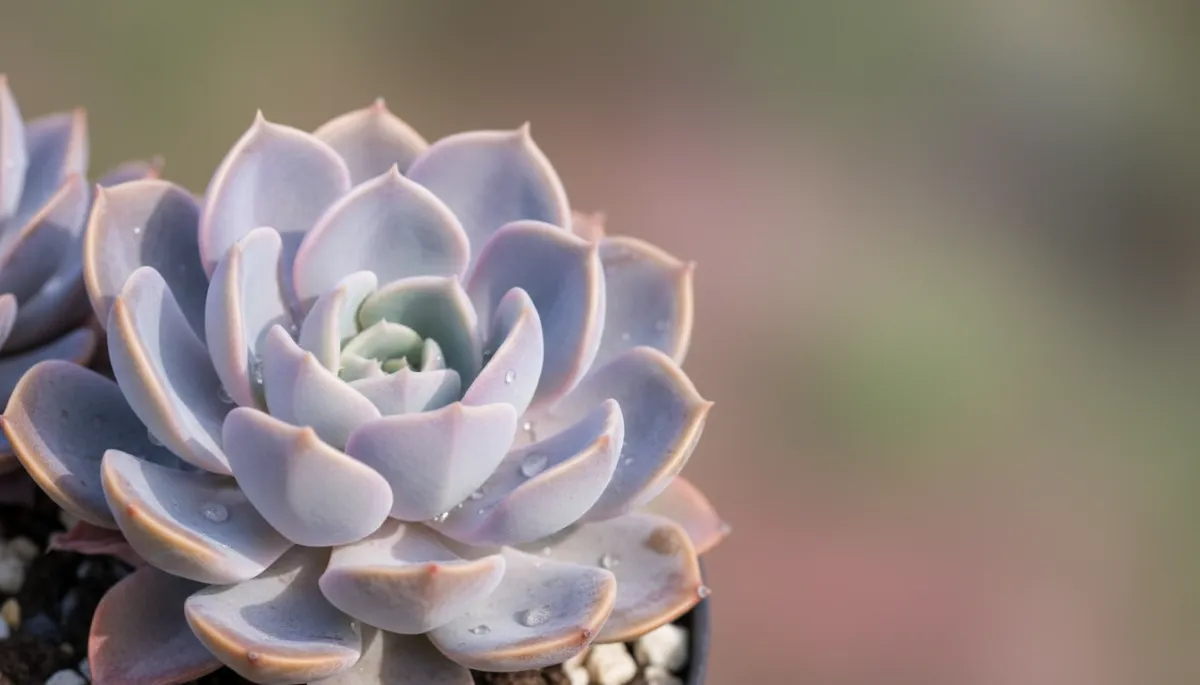
Echeveria Pollux is a rosette-forming succulent with thick, fleshy leaves arranged in a neat, flower-like circle. The leaves are usually silver-gray or blue-gray, sometimes with a soft lavender or pale green tint depending on the light. When the plant is happy, the rosette stays tight and rounded, and the leaves feel smooth and slightly powdery to the touch because of a natural coating called farina.
Mature rosettes typically reach about 4–6 inches (10–15 cm) across, though they can grow a bit larger in ideal conditions. Over time, your Echeveria Pollux may produce offsets—little “pups” or baby rosettes—around the base. These can eventually form a full, silvery cluster that looks beautiful in a shallow bowl or wide pot. Like other echeverias, Pollux can also send up tall flower stalks with small, bell-shaped blooms that attract pollinators outdoors.
Quick Care Overview for Echeveria Pollux
Care Need Best Condition Helpful Tip Light Bright indirect light or gentle morning sun Prevent stretching by keeping it near a bright window Water Only when soil is completely dry Use the soak‑and‑dry method, and avoid the rosette center Soil Fast‑draining succulent or cactus mix Add pumice or perlite for extra drainage Temperature 65–80°F (18–27°C), protect from frost Bring indoors before temperatures drop near freezing Fertilizer Light feeding in spring and summer Use a diluted cactus fertilizer once a month at most
Light Requirements: Keeping Echeveria Pollux Bright and Compact
Light is the single most important part of Echeveria Pollux care. This plant loves brightness. To keep that compact, symmetrical rosette, you’ll want to give it plenty of light—ideally bright indirect light or a few hours of gentle morning sun each day. A south‑ or east‑facing window is usually perfect for indoor growers, as long as the sun isn’t scorching hot all afternoon.
If your Pollux doesn’t get enough light, it will start to stretch. The leaves will spread out, the stem will grow taller, and that tight rosette shape will loosen. This is called etiolation, and it’s your plant’s way of reaching for more light. If you notice this happening, move your succulent to a brighter spot gradually, so it doesn’t burn from sudden intense sun.
💡 Beginner Tip: If you can comfortably read a book in the spot without turning on a light during the day, it’s probably bright enough for your Echeveria Pollux.
Watering Echeveria Pollux: Mastering the Soak‑and‑Dry Method
When it comes to succulent care, watering is usually where beginners get tripped up—and Echeveria Pollux is no exception. Its thick leaves store water, which means it can handle a bit of drought but will struggle if the soil stays wet for too long. Overwatering is the fastest way to cause root rot, mushy leaves, and a sad, collapsing plant.
The safest approach is the soak‑and‑dry method. Water deeply until water drains from the bottom of the pot, then let the soil dry out completely before watering again. In warm, bright conditions, this might mean watering every 7–10 days. In cooler or lower‑light conditions, you may only need to water every 2–3 weeks. Always check the soil with your finger—if the top 1–2 inches feel dry, it’s probably time to water.
💧 Watering Reminder: Try to keep water off the rosette center. If water sits in the middle of the plant, it can lead to rot, especially in cool or humid weather.
Best Soil for Echeveria Pollux: Fast‑Draining and Gritty
Healthy roots are the foundation of easy plant maintenance, and that starts with the right soil. Regular potting soil usually holds too much moisture for succulents. For Echeveria Pollux, you’ll want a fast‑draining, gritty mix that dries out quickly and doesn’t stay soggy around the roots.
A good succulent or cactus mix from the store is a great starting point. You can improve it further by mixing in extra drainage materials such as pumice, perlite, or coarse sand. Aim for a blend that feels loose, airy, and slightly rough between your fingers, not dense or muddy. This helps mimic the dry, rocky environments succulents are adapted to in nature.
Choosing the Right Pot: Give Your Pollux Room to Breathe
The pot you choose plays a big role in succulent care. For Echeveria Pollux, the most important rule is simple: always use a pot with drainage holes. Without drainage, extra water has nowhere to go, and the roots can sit in moisture for days, leading to rot. If you fall in love with a decorative pot that doesn’t have drainage, use it as a cachepot—place a smaller nursery pot with holes inside, and remove it when watering.
Terracotta and unglazed ceramic pots are excellent options because they allow moisture to evaporate through the sides, helping the soil dry out faster. Choose a pot that’s just slightly wider than the rosette—too much extra space can cause the soil to stay damp for longer than necessary. As your plant produces offsets, you can either let them fill the pot or move them to their own containers for a tidy look.
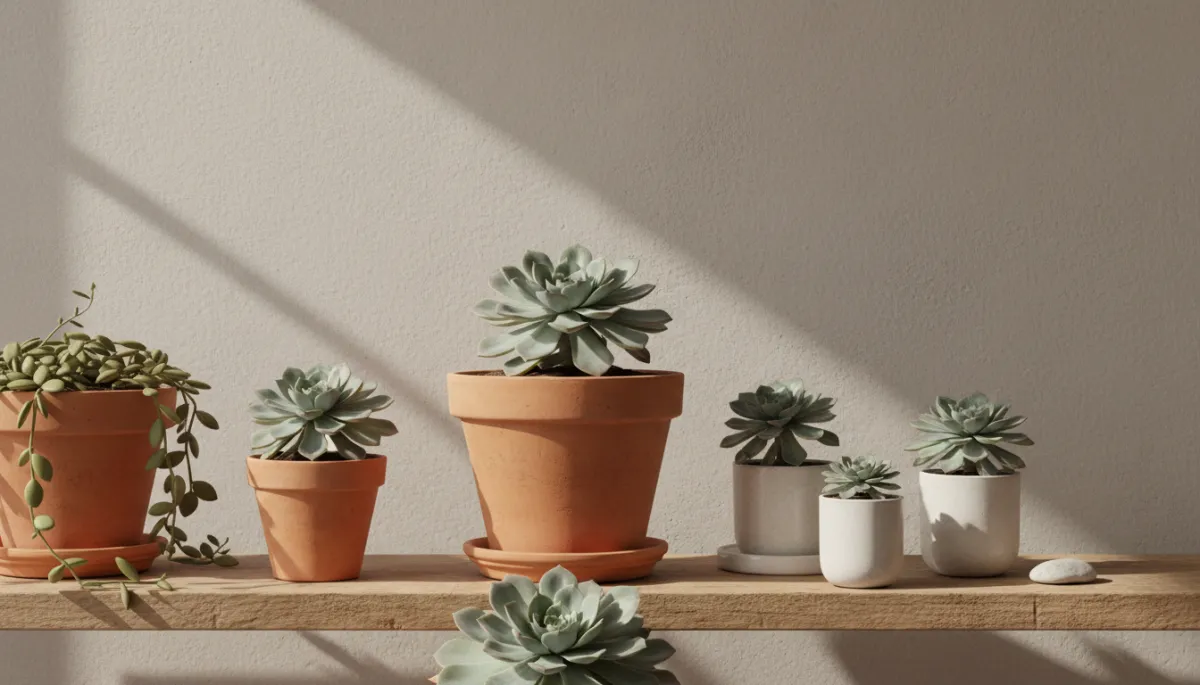
Simple pots and fast‑draining soil make everyday succulent maintenance much easier.
Temperature and Humidity: Warm, Dry, and Airy
Echeveria Pollux prefers the same kind of environment many people enjoy—warm, dry air, and good airflow. Ideal temperatures sit between 65–80°F (18–27°C). It can handle slightly cooler nights, but it does not like frost or cold, wet soil. If you grow your plant outdoors, bring it inside or move it to a sheltered spot before temperatures drop near freezing.
Indoors, average household humidity is usually fine. Just avoid placing your Pollux right next to a humidifier, in a steamy bathroom, or on a constantly damp windowsill. Good air circulation helps the leaves dry off quickly after watering and reduces the risk of fungal issues or rot.
Fertilizing Echeveria Pollux: Less Is More
Echeveria Pollux is not a heavy feeder. In fact, too much fertilizer can cause weak, stretchy growth and can even damage the roots. During the active growing season—typically spring through early fall—you can give your plant a light boost with a diluted cactus or succulent fertilizer once a month or less. Always follow the label instructions and, when in doubt, dilute more rather than less.
Skip fertilizing during the cooler, darker months when growth naturally slows down. At that time, your plant is resting and doesn’t need extra nutrients. Focus instead on stable temperatures, bright light, and careful watering.
How to Keep Echeveria Pollux Compact and Rosette‑Shaped
A compact Echeveria Pollux with tightly packed leaves is what most people are aiming for—and the secret is almost always light. When the plant receives enough brightness, the leaves stay close together, and the rosette remains neat and symmetrical. When light is weak, the plant stretches toward it, and the spaces between leaves increase, making the plant look tall and sparse instead of low and full.
To encourage compact growth, give your Pollux a bright spot from the very beginning. Rotate the pot every couple of weeks so all sides receive equal light, which helps keep the rosette balanced rather than leaning toward one direction. If you use grow lights, position them close enough—usually 6–12 inches above the plant—and run them 12–14 hours a day for consistent results.
Common Problems with Echeveria Pollux (and How to Fix Them)
Even with good plant maintenance, small issues can pop up. The good news is that Echeveria Pollux usually tells you what’s wrong through its leaves and growth pattern. Here are a few common problems and what they often mean:
Leaves turning mushy or translucent: This usually points to overwatering or root rot. Let the soil dry completely, remove any mushy leaves, and check the roots. If they’re brown and soft, trim the damaged parts and repot in dry, fast‑draining soil.
Plant growing tall and leaning: Not enough light. Move your Pollux to a brighter location gradually, or add a grow light to supplement natural light.
Lower leaves drying and falling off: Some leaf drop is normal as the plant grows, but if it’s happening quickly, check your watering schedule and light levels. Too much water or too little light can speed up leaf loss.
Wrinkled or shriveled leaves: This can be a sign of underwatering, especially if the soil has been dry for a long time. Give the plant a thorough drink and see if the leaves plump back up over the next few days.
Why Echeveria Pollux Gets Leggy
Leggy growth is one of the most common complaints with echeverias. If your Echeveria Pollux is growing on a tall stem, leaning toward the window, or losing its tidy rosette shape, it’s almost always because it’s not getting enough light. The plant stretches toward the brightest direction it can find, sacrificing compactness for survival.
Once a plant becomes leggy, you can’t shrink the stem back—but you can fix the overall look. Move the plant to a brighter spot to prevent further stretching, then consider using propagation techniques like stem cuttings to create a new, compact rosette from the top. The good news is that echeverias, including Pollux, usually respond very well to this kind of refresh.
How to Propagate Echeveria Pollux
Propagation is one of the most rewarding parts of succulent care—you get more plants from the one you already love. Echeveria Pollux can be propagated through leaf cuttings, offsets, or stem cuttings. Each method is beginner‑friendly if you take your time and let the cut surfaces dry before planting.
Leaf Propagation
To propagate from a leaf, choose a healthy, full leaf from the lower part of the rosette. Gently twist it away from the stem, making sure the entire base comes off cleanly—this is important for successful rooting. Let the leaf dry in a shaded, airy spot for a few days until the end calluses over and no longer looks freshly cut.
Once callused, lay the leaf flat on top of dry succulent soil. Do not bury it. Place the tray or pot in bright, indirect light and mist the soil lightly every few days, or whenever it feels completely dry. Over several weeks, you may see tiny roots and a baby rosette forming at the base of the leaf. When the new plant is large enough and has its own roots, you can gradually reduce misting and water more like a regular succulent.
Offset Propagation
Offsets—or pups—are small rosettes that grow around the base of a mature Echeveria Pollux. To propagate using offsets, wait until they’re large enough to handle, usually about one‑third the size of the mother plant. Gently remove the soil around the base, then separate the offset with a clean, sharp tool or by carefully twisting it away, making sure it has some roots attached if possible.
Allow the cut area to dry and callus for a day or two. Then plant the offset in a small pot filled with dry, gritty succulent mix. Place it in bright, indirect light and wait a few days before giving it a light watering. As it settles in and new growth appears, you can transition to a regular soak‑and‑dry watering schedule.
Stem Cutting Propagation
If your Echeveria Pollux has become leggy, stem cutting propagation is a great way to “reset” the plant. Use a clean, sharp knife or scissors to cut off the top rosette, leaving a few inches of stem attached. Remove the lower leaves from the stem so you have a bare section to plant, then let the cutting dry for several days until the cut end is callused.
Once dry, plant the stem cutting in dry succulent soil, burying just the bare stem and keeping the rosette above the soil line. Place it in bright, indirect light and hold off on watering for about a week. After that, lightly water when the soil is dry. The cutting should begin to root and eventually grow into a compact new plant. The original stem may also produce new baby rosettes from the old base, giving you even more plants.
Repotting Echeveria Pollux: When and How to Do It
You don’t need to repot Echeveria Pollux very often. In fact, many succulents prefer to stay slightly snug in their pots. A good rule of thumb is to repot every 1–2 years, or when you notice roots coming out of the drainage holes, the soil breaking down and staying wet longer, or the plant and its offsets clearly outgrowing the container.
The best time to repot is during the active growing season—spring or early summer. Use dry soil, and avoid watering immediately after repotting. Instead, let the plant settle in and any disturbed roots heal for a few days before giving it a light drink. This helps reduce the risk of rot and gives your Pollux time to adjust to its new home comfortably.
Is Echeveria Pollux a Good Succulent for Beginners?
Echeveria Pollux can be an excellent choice for beginners, especially if you’re ready to learn the basics of succulent care. Its needs are simple—bright light, well‑draining soil, and thoughtful watering—but it does expect you to respect those rules. If your home has at least one bright window and you’re willing to let the soil dry out between waterings, Pollux can reward you with steady growth and a consistently beautiful rosette.
If your space is very dim, you might find this plant more challenging, because it will stretch and lose its compact form without enough light. In that case, pairing your Pollux with a small grow light can make a big difference and turn a tricky plant into a very manageable one.
Display Ideas: Showing Off Your Silver Rosette
Echeveria Pollux is naturally photogenic, so it doesn’t take much to make it look stunning in your home. Because the rosette shape is the star, it often looks best in a simple, neutral pot that doesn’t compete with the plant. Think matte white, soft gray, or warm terracotta. A shallow bowl with several Pollux rosettes and a few contrasting succulents can create a beautiful, low‑maintenance centerpiece.
You can also play with height by placing your Pollux on a small plant stand, a windowsill shelf, or a side table near a bright window. Just remember that wherever you display it, light comes first—choose the spot based on brightness, then decorate around it. A healthy, glowing plant is always the best design choice.
Seasonal Care Tips for Echeveria Pollux
As seasons change, your Echeveria Pollux’s needs shift slightly. Adjusting your plant maintenance routine a little throughout the year keeps your succulent happy and reduces stress on the plant.
Season or Condition Care Adjustment Hot, sunny weather Water when soil dries, and protect from harsh afternoon sun to prevent leaf scorch. Rainy or very humid season Reduce watering, improve airflow, and keep the pot out of standing rainwater. Cool or low‑light months Water less often, move closer to the brightest window, and avoid fertilizing.
Final Thoughts: A Simple, Rewarding Succulent for Your Collection
Echeveria Pollux is a beautiful choice for anyone who loves soft, silver rosettes and wants a succulent that feels special but still manageable. With the right balance of light, water, and soil, it can stay compact, colorful, and healthy for years. Once you understand its preferences, daily plant maintenance becomes simple—check the soil, watch the light, and enjoy the slow, steady growth of your silver rosette.
Whether you’re just getting started with succulent care or adding to an existing collection, Echeveria Pollux is a lovely, low‑drama plant that rewards attention with beauty. Give it a bright spot, a breathable pot, and a little patience, and it will more than earn its place in your home or garden.