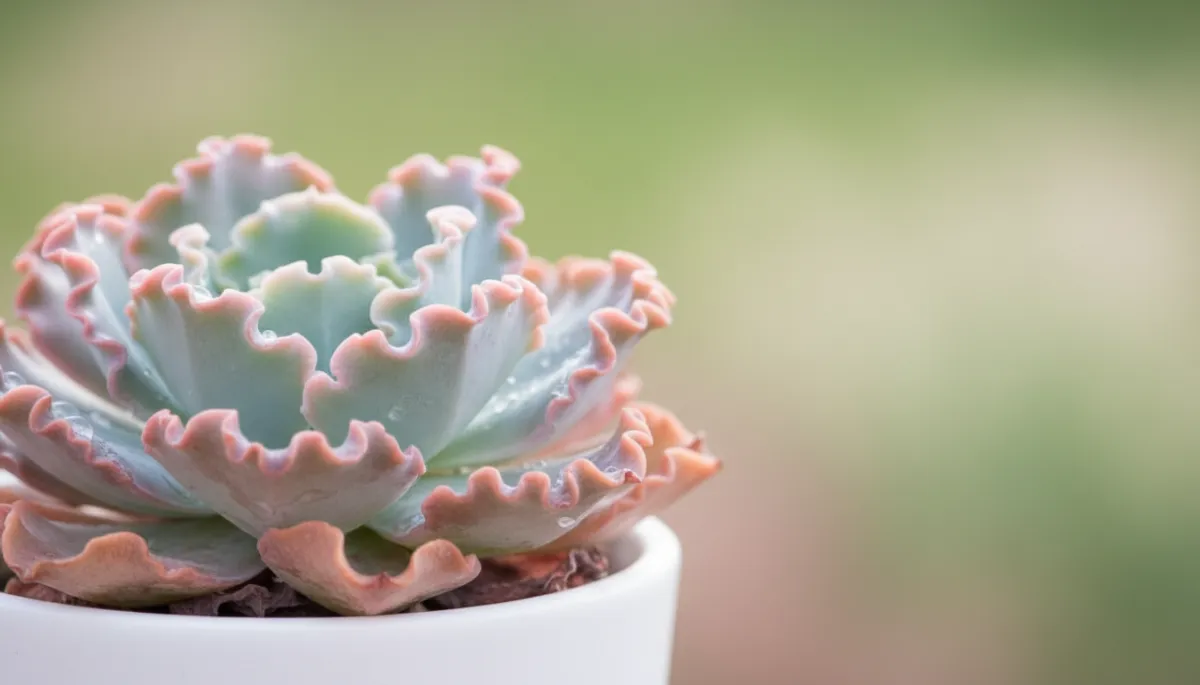
Echeveria Shaviana: All About the Pink Frills
Succulents, Echeveria Shaviana, Pink Frills Care
Echeveria Shaviana: All About the Pink Frills
Curious about that ruffled, pink-edged succulent you keep seeing online? That beauty is Echeveria shaviana—often called the “Pink Frills” succulent—and it’s an easygoing, beginner-friendly plant that looks far more delicate than it really is. Let’s walk through what makes it special, how to care for it, and a few simple gardening tips to help it truly shine.
Echeveria Shaviana Care at a Glance
If you’re new to succulents, Echeveria shaviana is a gentle introduction. Here’s a quick snapshot of its basic needs before we dive deeper into succulent care, plant characteristics, and practical gardening tips.
Care Category Recommendation Botanical name Echeveria shaviana Common name Pink Frills Echeveria Light Bright, indirect light to gentle direct sun (4–6 hours) Water Soak-and-dry; water thoroughly, then let soil dry completely Soil Fast-draining cactus or succulent mix with added grit Mature size About 6–8 inches (15–20 cm) wide rosettes Difficulty Beginner-friendly, as long as watering is kept in check
What Is Echeveria Shaviana?
Echeveria shaviana is a rosette-forming succulent native to the rocky hillsides of northeastern Mexico. In its natural habitat, it grows in cracks and crevices where water drains quickly, which explains why it hates sitting in soggy soil. The leaves are spoon-shaped, often powdery with a soft blue-gray tone, and edged with those famous frills that can blush pink under the right conditions.
Why Is It Called the “Pink Frills” Succulent?
The nickname comes from the wavy, ruffled edges of its leaves. When the plant receives plenty of light, and just a bit of environmental stress—like cooler nights or slightly lean watering—those edges start to glow with pink, lavender, or even coral tones. The effect is a rosette that looks like it’s wearing a frilly skirt.
Plant Characteristics That Make It a Collector Favorite
Unique Texture and Shape
Few succulents have leaves as dramatically ruffled as Echeveria shaviana. The wavy margins catch light and shadow, so the plant always looks a little bit in motion. Even a single rosette in a simple pot becomes a focal point on a desk, windowsill, or coffee table.
Color That Changes Through the Seasons
One of the most charming plant characteristics of Echeveria shaviana is how much it changes over time. In lower light or during active growth, it may look more blue-green and relaxed. With brighter light, cooler temperatures, and careful watering, the pink tones intensify, and the frills become more defined. It’s almost like having a new plant every season.
Perfect Companion for Other Succulents
Because of its pastel coloring and soft texture, Pink Frills pairs beautifully with many other succulents. Try grouping it with deep purple varieties, blue-gray Echeverias, or simple green rosettes for contrast. In mixed arrangements, it often becomes the “star of the show” without overwhelming the rest of the plants.
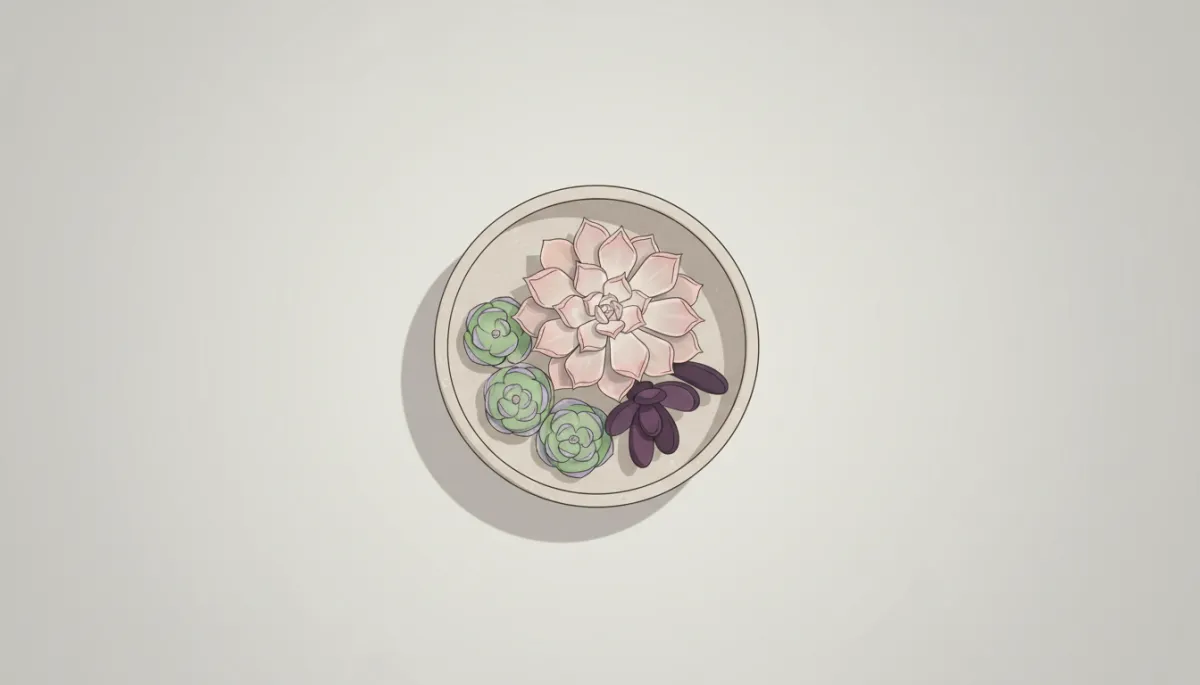
Pink Frills adds soft color and texture to simple succulent groupings.
The Secret Behind Those Pink Frills
Many beginners worry when their plant starts changing color, but with Echeveria shaviana, that’s often a good sign. The pink tones come from pigments called anthocyanins, which the plant produces in response to light and mild stress. More light, slightly cooler nights, and not overwatering usually mean richer color. If your plant is mostly green, it may simply need a brighter spot.
Sunlight Requirements and the Best Spots to Grow It
Best Indoor Locations
Indoors, aim for bright, indirect light with a little bit of gentle direct sun if possible. South- or east-facing windows usually work well. A bright office, sunroom, or windowsill where you can comfortably read without turning on a lamp is a good rule of thumb. Rotate the pot every week or so to keep the rosette growing evenly.
Best Outdoor Locations
Outdoors, morning sun and afternoon shade are ideal. Place your Pink Frills where it gets a few hours of gentle sun, then bright shade for the rest of the day. In very hot climates, protect it from intense midday rays, which can scorch the leaves. If you’re moving the plant from indoors to outdoors, increase light slowly over a week or two to avoid sunburn.
Signs Your Plant Needs More (or Less) Light
Needs more light: The rosette stretches upward, leaves space out, colors fade, and the plant leans toward the window.
Getting too much intense light: Brown, crispy spots, or a bleached look on the leaves.
💡 Beginner tip: If you want to brighten your succulent’s color, increase light gradually—about 30–60 minutes more sun every few days—rather than making a sudden move into full sun.
Watering Requirements: Mastering the Soak-and-Dry Method
Overwatering is the most common mistake with Echeveria shaviana. Instead of watering on a strict schedule, use the soak-and-dry method:
Water deeply until liquid runs from the drainage holes.
Let excess water drain away completely—never leave the pot sitting in a saucer of water.
Wait until the soil is completely dry before watering again. Check with your finger or a wooden skewer.
In spring and summer, this might mean watering every 7–14 days. In fall and winter, when growth slows, you may only need to water every 3–4 weeks. Always let the soil, not the calendar, guide you.
Spotting Overwatering vs. Underwatering
Overwatering signs: Yellowing leaves, mushy or translucent patches, black spots near the base, or a plant that feels oddly squishy. Act quickly—let the soil dry out, and remove any rotting leaves.
Underwatering signs: Wrinkled, slightly droopy leaves that feel thin instead of plump. A deep, thorough watering usually perks the plant back up within a day or two.
Choosing the Best Soil and Pot for Pink Frills
Good drainage is nonnegotiable for healthy succulent care. Use a commercial cactus or succulent mix, or make your own by mixing regular potting soil with coarse sand, perlite, or pumice. The goal is a mix that feels gritty and never stays soggy for long.
For pots, terracotta or unglazed clay is a beginner’s best friend. These materials “breathe,” helping excess moisture evaporate more quickly. Whatever pot you choose, make sure it has at least one drainage hole. A shallow, wide pot also lets the rosette spread out naturally, showing off those frills.
Temperature, Humidity, and Flowering Habits
Echeveria shaviana prefers mild temperatures—roughly 60–80°F (15–27°C). It can handle brief dips a bit cooler, but anything below about 50°F (10°C) for long periods can cause damage. Indoors, average home humidity is perfect; there’s no need to mist the leaves, and in fact, it’s better to keep them dry to avoid rot.
When it’s happy, Pink Frills sends up tall flower stalks in the warmer months, covered in small, bell-shaped blooms in shades of pink, coral, or orange. The flowers are a lovely bonus and often attract pollinators if you grow your plant outdoors.
Simple Propagation Methods for Beginners
Leaf Propagation
One fun gardening tip—especially if you like to share plants—is to grow new Echeveria shaviana from a single leaf. Gently twist off a healthy leaf, making sure it comes away cleanly from the stem. Let it dry for a few days until the end calluses over, then lay it on top of dry succulent soil. Mist lightly every so often, and be patient; tiny roots and a baby rosette will eventually appear at the base of the leaf.
Offset Propagation
As your plant matures, it may produce offsets—little rosettes that form around the base of the main plant. You can leave them in place for a fuller look, or gently separate them and pot them up individually. Use a clean tool, allow any cuts to dry for a day, then plant the offsets in well-draining soil and water sparingly until they settle in.
Styling Ideas and Seasonal Care Tips
Because of its soft colors and sculptural shape, Echeveria shaviana looks right at home in many settings. Try it as a centerpiece on a coffee table, tucked into a bookshelf, or grouped with a few other succulents on a bright windowsill. Neutral-toned pots—think white, gray, or warm terracotta—let the pink frills stand out without competing for attention.
Spring: Resume regular watering, and slowly increase light to bring out color.
Summer: Watch for heat stress; give shade during the hottest hours if needed.
Fall: Gradually reduce watering as growth slows, and enjoy the rich colors cooler nights can bring.
Winter: Keep the plant cool but not cold, give it as much light as possible, and water very sparingly.
Final Thoughts: A Beginner-Friendly Succulent With Serious Charm
Echeveria shaviana proves that succulents can be both tough and elegant. With its ruffled leaves, shifting colors, and easygoing nature, it’s a wonderful choice for beginners who want something a little special without a lot of fuss. Give it bright light, fast-draining soil, and careful watering, and it will reward you with year-round beauty—and maybe even a few pink-frilled babies to share.