Panda Plant Guide (Kalanchoe Tomentosa): Types, Care, Watering, Propagation, and Everything You Need to Know
Succulents, Plant Care, Indoor Gardening
Panda Plant Guide (Kalanchoe tomentosa): Types, Care, Watering, Propagation, and Everything You Need to Know
Curious about the adorable, fuzzy succulent everyone calls the Panda Plant? This friendly guide walks you through everything beginners need to know—from basic plant care and popular types, to indoor gardening tips, watering, and easy propagation.
Panda Plant Care at a Glance
Botanical Name Kalanchoe tomentosa Common Name Panda Plant, Pussy Ears, Chocolate Soldier (variety) Plant Type Succulent, indoor houseplant, container-friendly Mature Size About 12–24 inches tall, compact and upright Sunlight Bright, indirect light—some gentle direct sun is ideal Watering Soak-and-dry method—water thoroughly, then let soil dry out completely Difficulty Beginner-friendly and forgiving
What Is Panda Plant (Kalanchoe tomentosa)?
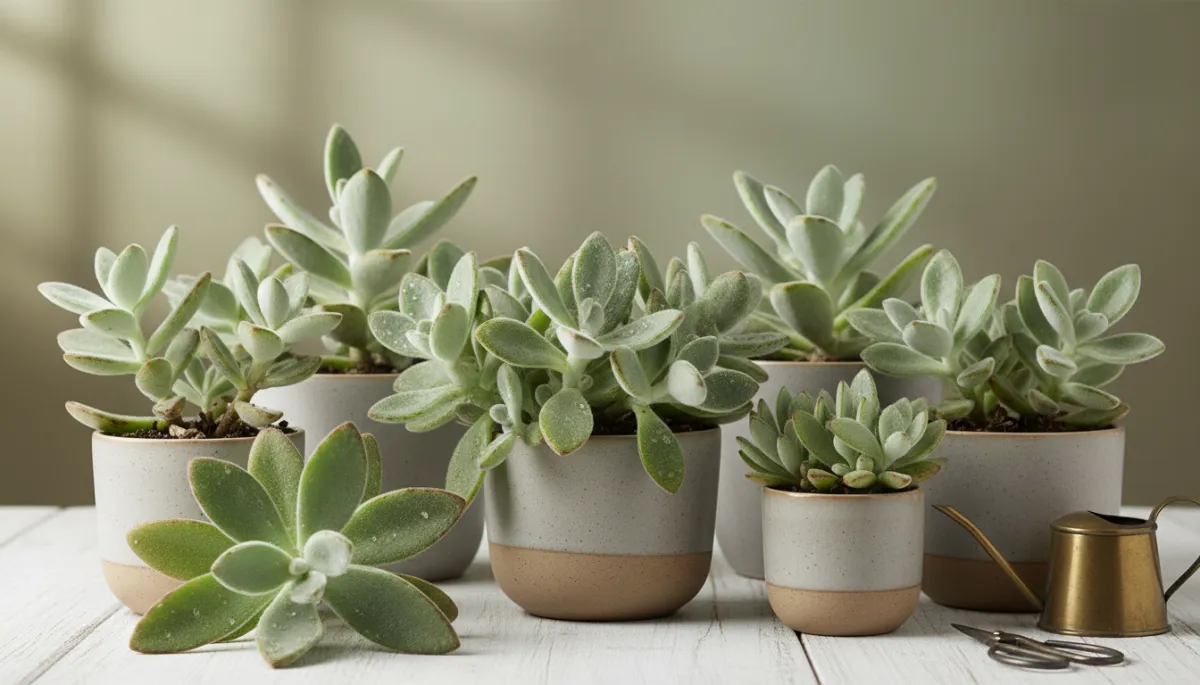
Panda Plant is a small, slow-growing succulent native to Madagascar. It belongs to the Kalanchoe family and is best known for its velvety, silver-green leaves edged with chocolate-brown spots. Instead of forming a flat rosette like many succulents, it grows as a compact, branching shrub—perfect for pots and small indoor spaces.
Why Is It Called Panda Plant?
The name comes from its cute, panda-like markings. The dark tips on each fuzzy leaf resemble the ears and eye patches of a panda bear. Combine that with the soft, touchable texture, and you get a plant that feels playful and cozy—almost like a tiny, living plush toy on your windowsill.
Different Types of Panda Plants
There are several popular varieties of this succulent. They all share the same basic plant care needs, but their colors and markings make each one feel a little different—great if you enjoy collecting succulent types with subtle variations.
Classic Panda Plant
Silvery-green, oval leaves
Soft brown edging along the tips
Dense, fuzzy hairs that give it a velvety look
Chocolate Soldier
Deeper brown markings that stand out more strongly
Slightly taller, more upright growth habit
Great contrast in neutral or minimalist indoor gardening setups
Golden Girl
Slightly lighter, golden-green foliage
Softer markings along the edges, less dramatic than Chocolate Soldier
Lovely choice if you prefer a brighter, gentler look
Teddy Bear Panda Plant
Thicker, chubbier leaves with extra fuzz
A plush, rounded look—true to its “teddy bear” name
Perfect for adding softness to an indoor succulent collection
Why Panda Plant Is So Popular
A Unique, Fuzzy Texture
Few succulent types have truly fuzzy leaves, which makes Panda Plant stand out right away. Its velvety surface not only looks charming, but also helps protect the plant from sun and water loss—a built-in bonus for easy plant care.
Beginner-Friendly and Forgiving
If you are new to indoor gardening, Panda Plant is a gentle place to start. It tolerates a bit of neglect, does not need constant watering, and bounces back well as long as you avoid overwatering. Once you get the hang of the soak-and-dry method, it is one of the easiest houseplants to live with.
Perfect for Small Spaces and Modern Décor
Panda Plant stays compact, making it ideal for desks, shelves, and windowsills. The muted, neutral colors pair beautifully with minimalist interiors, while the fuzzy leaves add warmth and softness. It is a simple way to bring life into apartments, offices, and small homes without needing a lot of room.
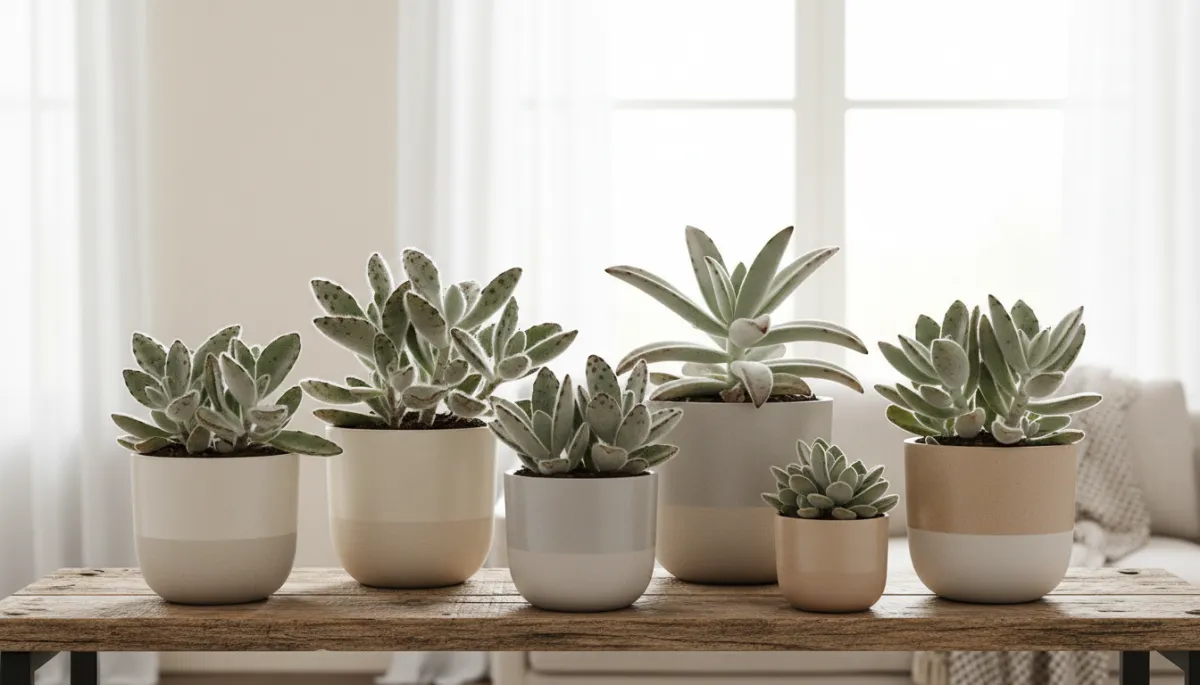
Grouping panda plants with other succulents creates an easy, low-maintenance indoor display.
Sunlight Needs for Healthy Growth
Best Indoor Locations
A bright east- or west-facing windowsill with gentle sun
A south-facing window with filtered light (sheer curtains help)
A bright room where you can comfortably read without turning on lights
Best Outdoor Conditions
If your climate is warm and frost-free, you can grow Panda Plant outdoors in pots. Give it morning sun and afternoon shade to prevent leaf scorch. In cooler regions, treat it as an indoor plant, or move it outside only during warm months, then bring it back in before temperatures drop.
Signs Your Panda Plant Needs More Light
Stems stretching or leaning toward the window
Wider gaps between leaves than usual
Faded colors or dull-looking markings
If you notice these, move your plant to a brighter spot gradually—sudden, intense sun can shock the leaves, so increase light a little at a time.
Watering Guide: How Much and How Often
Overwatering is the most common mistake with Panda Plants. Remember, this is a succulent—its leaves store water, so it would rather be a bit dry than soggy. Use the soak-and-dry method: water deeply until it runs out of the drainage holes, then wait until the soil is completely dry before watering again.
Spring and Summer Watering
Typically every 2–3 weeks indoors, depending on light and temperature
Always check the soil with your finger—if the top 1–2 inches are dry, it is time
Fall and Winter Watering
Water less often, usually every 3–4 weeks indoors
Cooler temperatures and lower light mean the plant uses water more slowly
Overwatering vs. Underwatering: What to Watch For
Signs of Overwatering
Yellowing or translucent leaves
Mushy stems or soft, collapsing leaves
Black spots or a sour smell from the soil
If you see these signs, stop watering right away. Let the soil dry out completely, and if the roots seem rotten, gently remove damaged parts and repot into fresh, dry succulent soil.
Signs of Underwatering
Wrinkled or slightly shriveled leaves
Leaves feel thinner than usual when you gently squeeze them
Mild drooping of stems
A deep watering usually perks an underwatered Panda Plant right back up within a few days.
Best Soil and Pots for Panda Plant
Good drainage is non-negotiable for this succulent. Use a cactus or succulent mix, or amend regular potting soil with perlite, pumice, or coarse sand to keep it airy. For pots, terracotta is a wonderful choice—it breathes, helps excess moisture evaporate, and reduces the risk of root rot. Whatever container you pick, make sure it has drainage holes.
Temperature, Humidity, and Indoor Comfort
Panda Plant is happiest in typical indoor room temperatures—around 60–75°F (15–24°C). Try to keep it away from cold drafts and avoid letting it sit in temperatures below 50°F (10°C). It prefers low to average humidity, so normal household air is just fine. Steamy bathrooms are not the best spot; a bright living room or bedroom is much better for long-term plant care.
Does Panda Plant Flower?
Panda Plants can bloom, but flowering indoors is fairly rare. Mature plants may occasionally produce small, bell-shaped flowers in shades of yellow or orange during warmer seasons. Most people, though, grow this succulent for its foliage—the fuzzy leaves are the real star of the show.
How Fast Does Panda Plant Grow?
Growth is slow to moderate. You will notice new leaves forming at the tips, stems gradually getting taller, and the plant filling out over time. Do not worry if it seems to sit still for a while—consistent light, proper watering, and well-draining soil will support steady, healthy growth without much fuss.
How to Propagate Panda Plant
Propagating Panda Plant is surprisingly simple, even for beginners. You can grow new plants from both stem cuttings and individual leaves—perfect if you want to expand your indoor gardening collection or share with friends.
Stem Propagation
Use clean scissors to cut a healthy stem with several leaves.
Let the cutting dry and callous for 1–2 days in a bright, dry spot.
Place it in dry succulent soil, just deep enough to stand upright.
Wait about a week before lightly watering, then follow normal watering habits.
Leaf Propagation
Gently twist off a healthy leaf, keeping the base intact.
Let it callous for a few days on a dry surface out of direct sun.
Lay it on top of well-draining soil and mist lightly every so often.
Tiny roots and new rosettes should appear over the next several weeks.
Stem cuttings usually grow faster, but both methods are fun, low-pressure projects for new plant parents.
Common Problems and Simple Fixes
Problem Likely Cause Quick Fix Yellow, mushy leaves Overwatering or poor drainage Let soil dry, trim damage, repot in drier mix if needed Long, stretched stems Not enough light Move to a brighter location, rotate the pot regularly Wrinkled, thin leaves Underwatering for an extended time Give a thorough drink, then resume regular soak-and-dry watering
Fun Facts About Panda Plant
The fine hairs on the leaves help reduce water loss and shield from strong sun.
Frequent handling can wear away the fuzz, so admire more than you touch.
The neutral colors make it a perfect “bridge plant” between bolder succulent types.
Best Plants to Pair with Panda Plant Indoors
For a simple indoor gardening arrangement, pair Panda Plant with other easy-care succulents:
Echeverias for rosette shapes and soft colors
Zebra Haworthia for bold, striped leaves
Jade Plants for a classic, tree-like form
Mixing textures and shapes keeps your display interesting, while shared care needs—bright light and infrequent watering—make the whole group easy to look after.
Seasonal Care Calendar
Spring Resume more regular watering, refresh top layer of soil, and rotate the pot for even growth. Summer Monitor light and heat—provide bright light, but protect from harsh afternoon sun. Fall Gradually reduce watering as days shorten and growth slows down. Winter Water sparingly, keep in bright indoor light, and protect from cold drafts.
Frequently Asked Questions
Is Panda Plant good for beginners? Yes—its simple plant care routine and forgiving nature make it an excellent first succulent for new indoor gardeners.
Can Panda Plant live indoors year-round? Absolutely. As long as it has bright light, well-draining soil, and careful watering, it thrives as an indoor plant all year.
Why is my Panda Plant stretching and leaning? It is likely searching for more light. Move it closer to a bright window, and rotate the pot regularly so it grows more evenly.
Final Thoughts
Panda Plant proves that a houseplant does not need bright flowers or wild colors to feel special. With its soft, fuzzy leaves, gentle markings, and easy-going care needs, it is a welcoming choice for anyone just starting out with succulents or indoor gardening. Give it bright light, a pot with great drainage, and a little space to grow—and this charming plant will quietly thrive right alongside you.