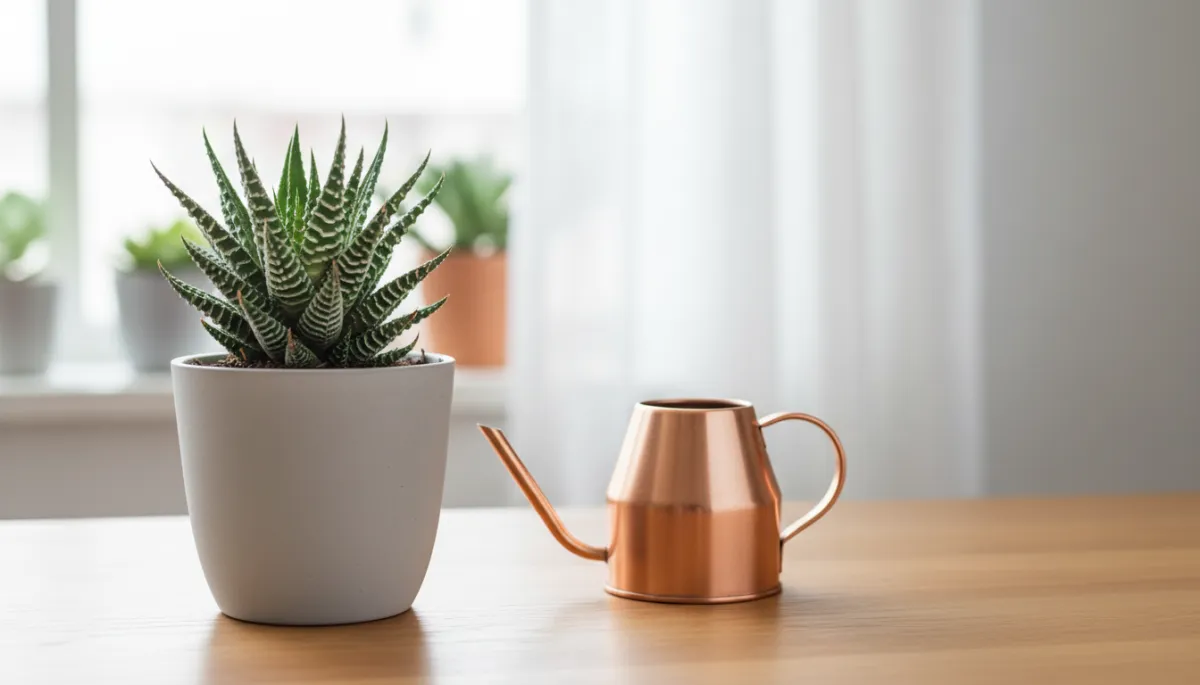
Zebra Plant Haworthia Care Guide: How to Grow and Keep This Easy Succulent Healthy
Succulents, Plant Care, Indoor Gardening
Zebra Plant Haworthia Care Guide: Keep This Easy Succulent Happy Indoors
Some houseplants want constant attention—misting, pruning, and perfectly timed watering. Zebra Plant Haworthia is not one of them. This charming little succulent is tough, forgiving, and perfect for beginners who want to enjoy indoor gardening without the stress. In this friendly guide, you’ll learn exactly how to care for your Zebra Haworthia so it thrives on your windowsill, desk, or coffee table.
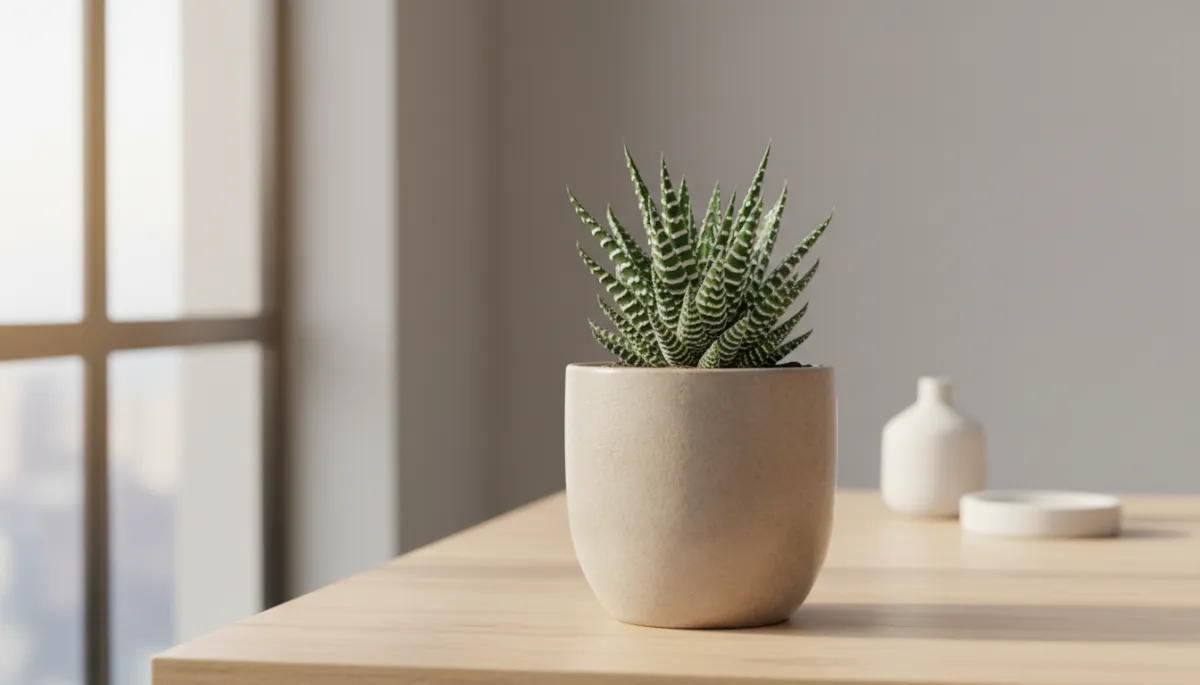
Zebra Haworthia Made Simple
Easy succulent care for stress-free indoor gardening
Zebra Plant Haworthia Care at a Glance
Care Category Recommendation Botanical Name Haworthiopsis attenuata (often called Zebra Haworthia) Plant Type Succulent, ideal for indoor gardening Mature Size Around 4–8 inches tall and wide Sunlight Bright, indirect light; tolerates lower light better than many succulents Watering Soak-and-dry method—water deeply, then let soil dry completely Soil Fast-draining cactus or succulent mix Temperature 60–80°F (16–27°C); protect from cold drafts and frost Difficulty Very beginner-friendly
What Is Zebra Plant Haworthia?
Zebra Plant Haworthia is a compact succulent native to South Africa. It forms a neat rosette of thick, triangular leaves decorated with raised white bands—those “zebra stripes” that give the plant its name. Unlike some dramatic succulents that stretch tall or sprawl wide, this one stays small and tidy, making it perfect for apartments, offices, and small indoor gardening setups.
For beginners, it’s a gentle introduction to succulent plant care. It doesn’t demand constant attention, yet it still looks stylish and modern on a shelf or side table. Think of it as a little living sculpture that quietly brightens a room.
Why Zebra Plant Haworthia Is So Popular
It Tolerates Lower Light Conditions
Many succulents crave intense, direct sun. Zebra Haworthia is more relaxed. It prefers bright, indirect light and can handle slightly lower light better than sun-loving desert succulents. That means it can live happily a few feet back from a window, on a bright bookshelf, or in an office with good natural light—great news if your home doesn’t feel like a greenhouse.
It Is Extremely Low Maintenance
If you sometimes forget to water your plants, this succulent will forgive you. Its thick leaves store moisture, so it can comfortably go a couple of weeks—sometimes longer—between waterings. As long as you avoid overwatering, Zebra Haworthia is delightfully easy to keep alive and well.
It Fits Small Spaces
Mature plants usually stay under 8 inches tall, which makes them ideal for compact indoor gardening. You can tuck one beside your computer, line a few along a windowsill, or add a small cluster to a coffee table tray without overwhelming the space.
It Has Year-Round Visual Appeal
Some plants look tired in winter. Zebra Haworthia keeps its bold stripes and fresh green color all year long. Even when it’s not flowering, it still adds texture, pattern, and a little bit of personality to your plant collection—no seasonal slump required.
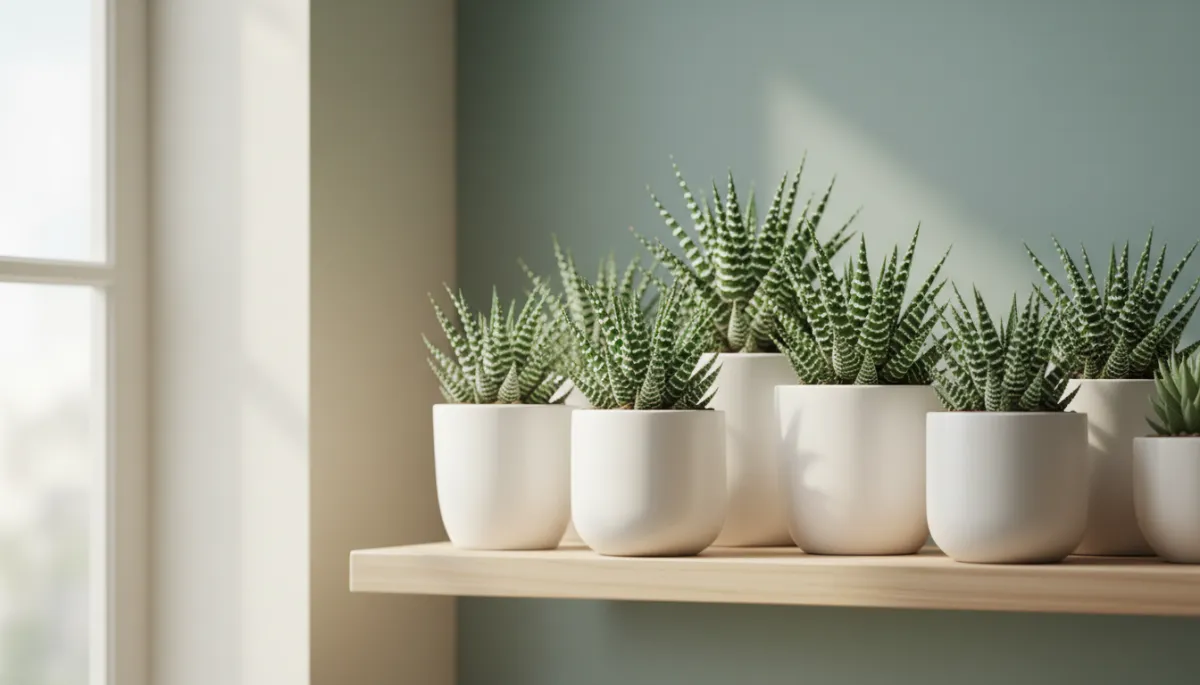
A small group of Zebra Haworthias instantly turns a plain shelf into a cozy plant corner.
Sunlight Requirements for Healthy Growth
Light is one of the most important parts of plant care, especially for succulents. Your Zebra Haworthia will be happiest in bright, indirect light. Think of a spot where the room feels well lit during the day, but the sun isn’t beating directly on the leaves for hours at a time.
Best Indoor Locations for Zebra Haworthia
Near an east-facing window, where it gets gentle morning light
A few feet back from a bright south or west window, protected from harsh rays
On a bright office desk or shelf with good natural light
Try to avoid dark corners or windowless rooms. While this succulent is more forgiving than many, it still needs enough light to keep its compact, patterned look.
Best Outdoor Locations (If You Move It Outside)
If you live in a mild climate, you can enjoy Zebra Haworthia outdoors when temperatures are warm. Choose spots with:
Partial shade or dappled light, such as under a patio cover
Protection from strong afternoon sun, which can scorch the leaves
Always bring it indoors before temperatures drop below about 50°F (10°C). Remember—this is still an indoor gardening star, not a frost-tolerant landscape plant.
Signs Your Zebra Haworthia Needs More Light
The plant leans or stretches toward the nearest window
Leaves look pale, soft, or less boldly striped than usual
The rosette becomes elongated instead of staying compact
If you notice these changes, gradually move your plant to a brighter spot over a week or two. Sudden jumps from low light to strong sun can cause sunburn, so slow and steady is best.
Watering Requirements: The Soak-and-Dry Method
Overwatering is the most common mistake with this succulent. The safest approach is the classic soak-and-dry method—water thoroughly, then wait until the soil is completely dry before watering again. Here’s a simple step-by-step routine you can follow with confidence.
Step 1: Check the Soil
Before you even think about watering, press a finger into the soil up to your first knuckle. If it feels even slightly damp, wait a few more days. You want the soil to be completely dry from top to bottom before the next drink.
Step 2: Water Deeply
When it’s time to water, take the plant to a sink or tub. Pour water slowly over the soil until it runs out of the drainage holes. This ensures all the roots get evenly moistened—no quick sips, just a good, thorough soak.
Step 3: Let It Drain Completely
Allow all excess water to drain away. Never let the pot sit in standing water in a saucer for long periods. Succulents like this one prefer their roots to breathe, not soak.
Step 4: Wait, Then Water Again
Spring and summer: usually every 2–3 weeks
Fall and winter: often every 3–4 weeks, sometimes longer
These are just starting points. Always let the soil dryness—not the calendar—guide your watering schedule. That habit alone will put you ahead in succulent plant care.
Signs of Overwatering vs. Underwatering
Signs of Overwatering
Yellowing, translucent, or mushy leaves
A soft, wobbly base at the center of the plant
Black spots on leaves or stems, which can indicate rot
If you see these symptoms, stop watering right away. Let the soil dry completely, and if the plant feels very soft or smells off, gently remove it from the pot, trim away any rotten roots, and repot into fresh, dry succulent soil.
Signs of Underwatering
Wrinkled or slightly shriveled leaves
Leaf tips curling inward
A deep, thorough watering usually perks the plant back up within a few days. Underwatering is generally easier to fix than overwatering, so when in doubt, it’s safer to wait a bit longer between waterings.
Choosing the Best Soil and Pot
Good drainage is non-negotiable for succulents. Use a cactus or succulent potting mix, or amend regular potting soil with plenty of perlite, pumice, or coarse sand. The goal is simple—water should flow through quickly, not linger around the roots.
For pots, terracotta is a wonderful choice. It’s porous, so it helps wick away excess moisture and keeps roots from staying wet too long. Ceramic pots with drainage holes also work well. Try to avoid pots without drainage; they make proper plant care much trickier.
Temperature, Humidity, and Fertilizer Needs
Zebra Haworthia prefers the same temperatures you do—around 60–80°F (16–27°C). Normal indoor humidity is perfect; you don’t need to mist it or add a humidifier. Just keep it away from cold drafts, heaters, and air vents that blow directly on the plant.
This succulent is a light feeder. During spring and summer, you can give it a diluted, balanced, succulent-safe fertilizer once or twice. Skip feeding in fall and winter, when growth naturally slows. Too much fertilizer can cause weak, stretched growth, so less is definitely more here.
How Fast Does Zebra Haworthia Grow?
Growth is slow and steady. You won’t wake up to a jungle overnight, but over time you’ll see new leaves forming at the center and, eventually, little baby plants (called offsets) appearing around the base. Slow growth is completely normal—it’s part of what makes this succulent so easy to manage indoors.
How to Propagate Zebra Plant Haworthia from Offsets
Propagation sounds advanced, but with Zebra Haworthia, it’s surprisingly simple. The easiest method is to separate the offsets that naturally grow beside the mother plant. It’s a fun indoor gardening project, and you’ll end up with extra succulents to keep or share.
Step 1: Gently Remove the Plant from Its Pot
Wait until the soil is dry, then carefully slide the plant out of its container. Support the base with your hand so you don’t damage the rosette.
Step 2: Locate the Offsets
Look for small rosettes growing around the main plant. These are your future baby plants. Gently loosen the soil around them so you can see where they connect.
Step 3: Separate the Offsets
Using your fingers, or a clean, sharp knife if needed, carefully separate each offset from the mother plant. Try to keep some roots attached to each one, but don’t panic if a few roots break—succulents are resilient.
Step 4: Let Them Dry Briefly
Place the offsets on a dry surface out of direct sun for a day. This allows any small cuts to callus over, which helps prevent rot once they’re planted.
Step 5: Pot and Care for Your New Plants
Plant each offset in a small pot filled with fresh, well-draining succulent soil. Water lightly after a few days, then follow the same soak-and-dry routine you use for the parent plant. Within a few weeks, they’ll begin to settle in and grow on their own.
Common Problems and Simple Solutions
Problem Likely Cause Easy Fix Yellow or mushy leaves Overwatering Let soil dry fully, reduce watering, repot if roots are rotting Wrinkled leaves Underwatering Give a deep drink, then resume normal watering schedule Leaning or stretched growth Not enough light Move gradually to a brighter location Brown, crispy patches Sunburn from harsh direct sun Shift to bright, indirect light and avoid midday rays
Repotting and Decorating Ideas for Indoor Spaces
You’ll usually only need to repot Zebra Haworthia every 2–3 years, or when you see roots poking out of the drainage holes, soil becoming compacted, or lots of offsets crowding the pot. When you do repot, choose a container just one size larger, refresh the soil, and return to your normal care routine.
Styling Your Zebra Haworthia Indoors
Bookshelves: Tuck a small pot between stacks of books to add life and texture.
Coffee tables: Group your Zebra Haworthia with a candle and a favorite book for a simple, stylish centerpiece.
Bedrooms: Place one on a bedside table to bring a calming, natural touch to the room.
Succulent displays: Pair it with other small succulents—like echeverias, jade plants, or other Haworthia varieties—for a varied, yet easy-care indoor garden.
Seasonal Care Calendar for Beginners
Season Simple Care Tips Spring Resume regular watering, consider a light feeding, and check if repotting is needed. Summer Watch for strong sun, adjust watering if heat dries soil faster, and keep out of scorching windows. Fall Gradually reduce watering as days shorten, and move plants away from chilly windows. Winter Water sparingly, avoid cold drafts, and give as much bright, indirect light as possible.
Frequently Asked Questions
Is Zebra Plant Haworthia good for beginners? Yes—absolutely. It’s one of the most forgiving succulents, and it’s a fantastic first step into plant care and indoor gardening.
Can it live in low light? It tolerates lower light better than many succulents, but it still needs bright, indirect light to look its best. Very dim rooms will eventually cause stretching and pale leaves.
Is Zebra Haworthia toxic to pets? It’s generally considered non-toxic to cats and dogs, but it’s still wise to keep all houseplants out of reach of curious chewers.
Final Thoughts
Zebra Plant Haworthia proves that beautiful plants don’t have to be fussy. With its bold stripes, compact size, and easygoing nature, it’s a perfect choice for anyone just starting out with succulents or indoor gardening. Give it bright, indirect light, well-draining soil, and a patient soak-and-dry watering routine, and it will quietly thrive for years.
Whether it’s brightening your desk, cozying up a bookshelf, or anchoring a small succulent display, this little plant adds a lot of charm for very little effort. Once you get to know Zebra Haworthia, you may find it’s the plant that finally makes caring for succulents feel simple—and genuinely fun.